Document Overview
Document Overview This article presents the REACH SVHC (Substances of Very High Concern) test report for the ETENWOLF P100 Ball Pump. The report was issued under European Commission Regulation (EC) No 1907/2006 (REACH), which governs the Registration, Evaluation, Authorisation and Restriction of Chemicals across the…
- Document type
- Certification Report
- Prepared by
- Michelle Torres
- Published
- Last reviewed
- Topics
- European Union: CE / RoHS / REACH / WEEE
Document Overview
This article presents the REACH SVHC (Substances of Very High Concern) test report for the ETENWOLF P100 Ball Pump. The report was issued under European Commission Regulation (EC) No 1907/2006 (REACH), which governs the Registration, Evaluation, Authorisation and Restriction of Chemicals across the EU and EEA.
| Field | Details |
|---|---|
| Report Number | WTH25X04098556C |
| Document Type | REACH SVHC Test Report |
| Issuing Body | Waltek Testing Group (Shenzhen) Co., Ltd. |
| Date of Issue | 2025-04-30 |
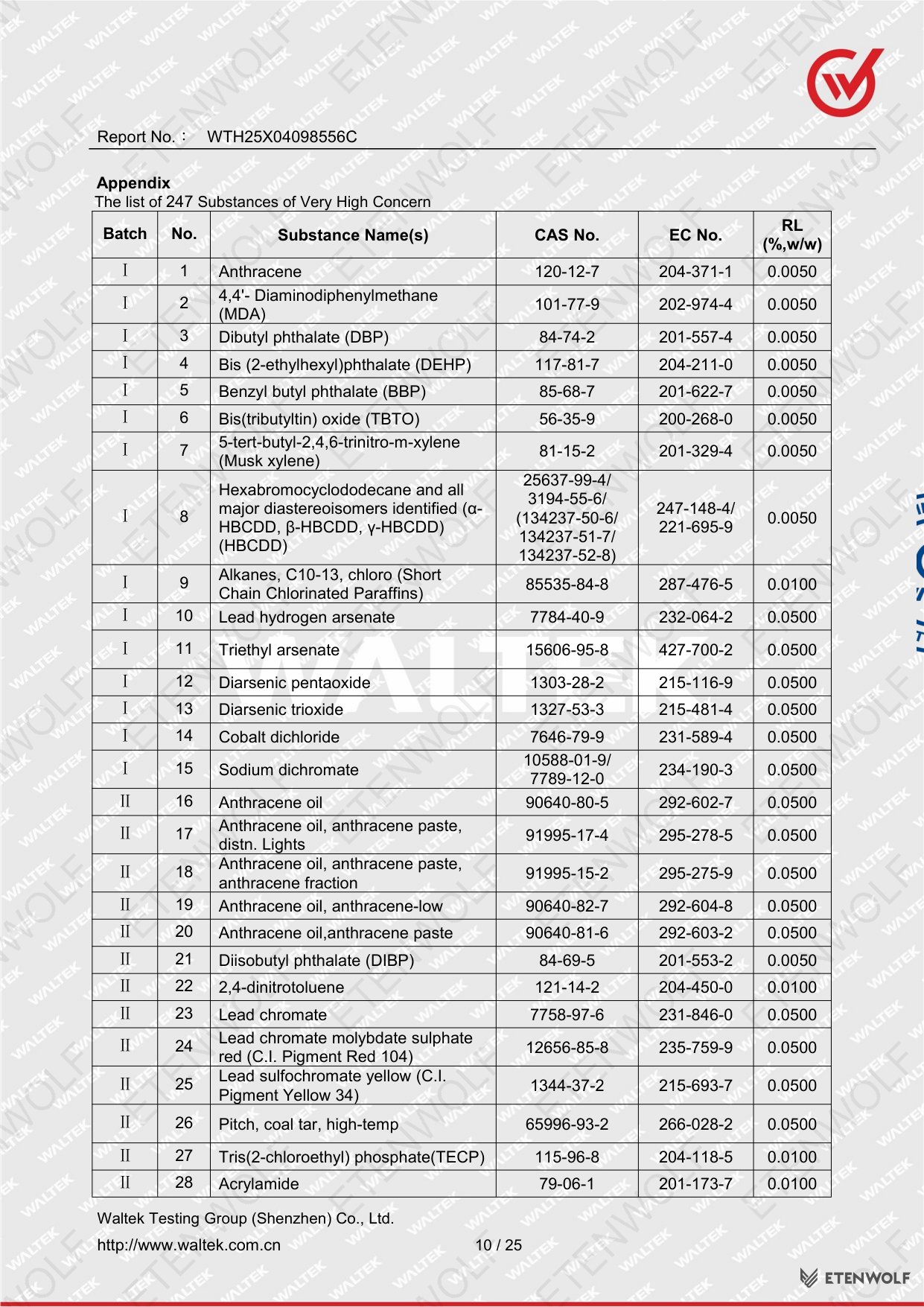
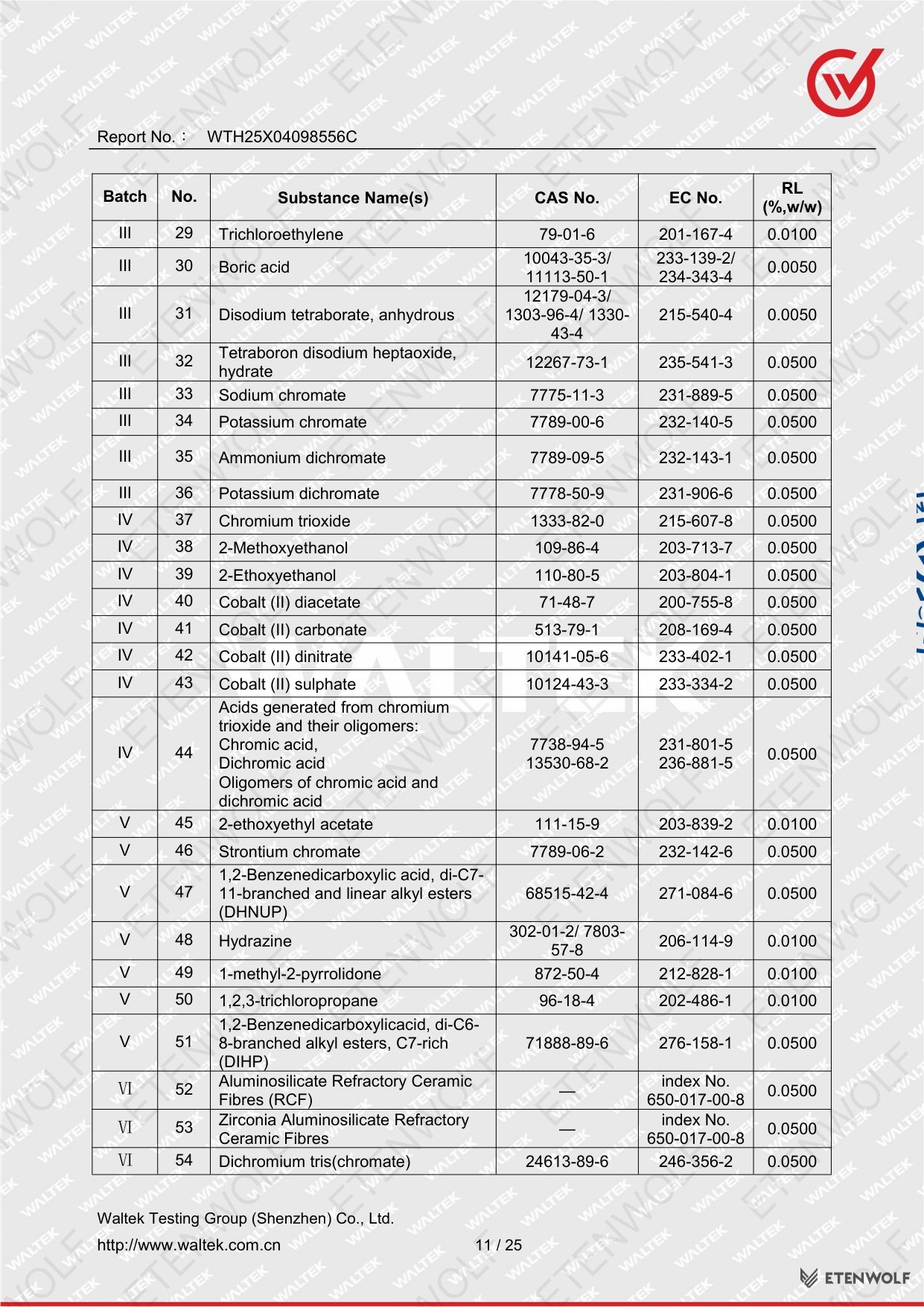
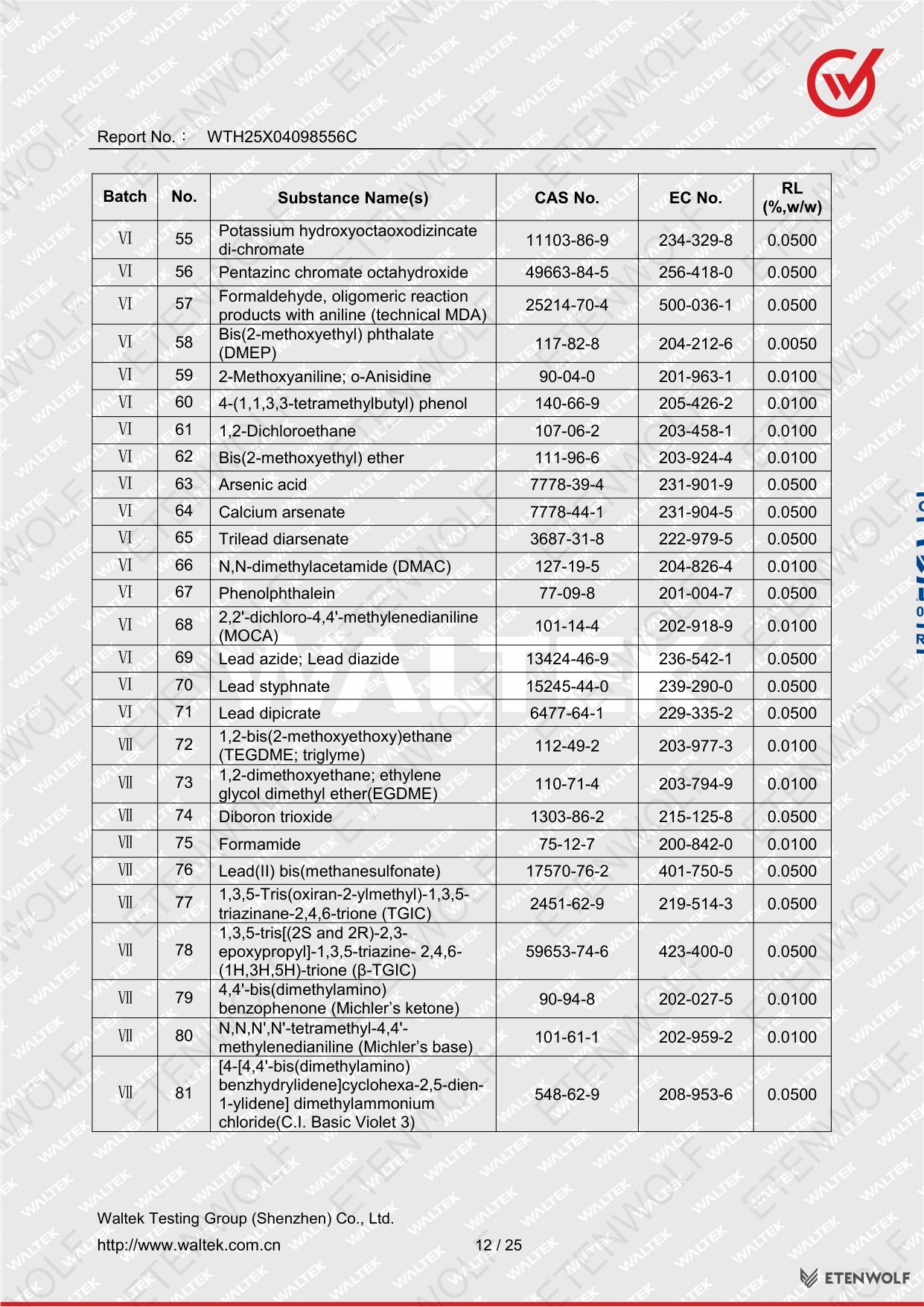
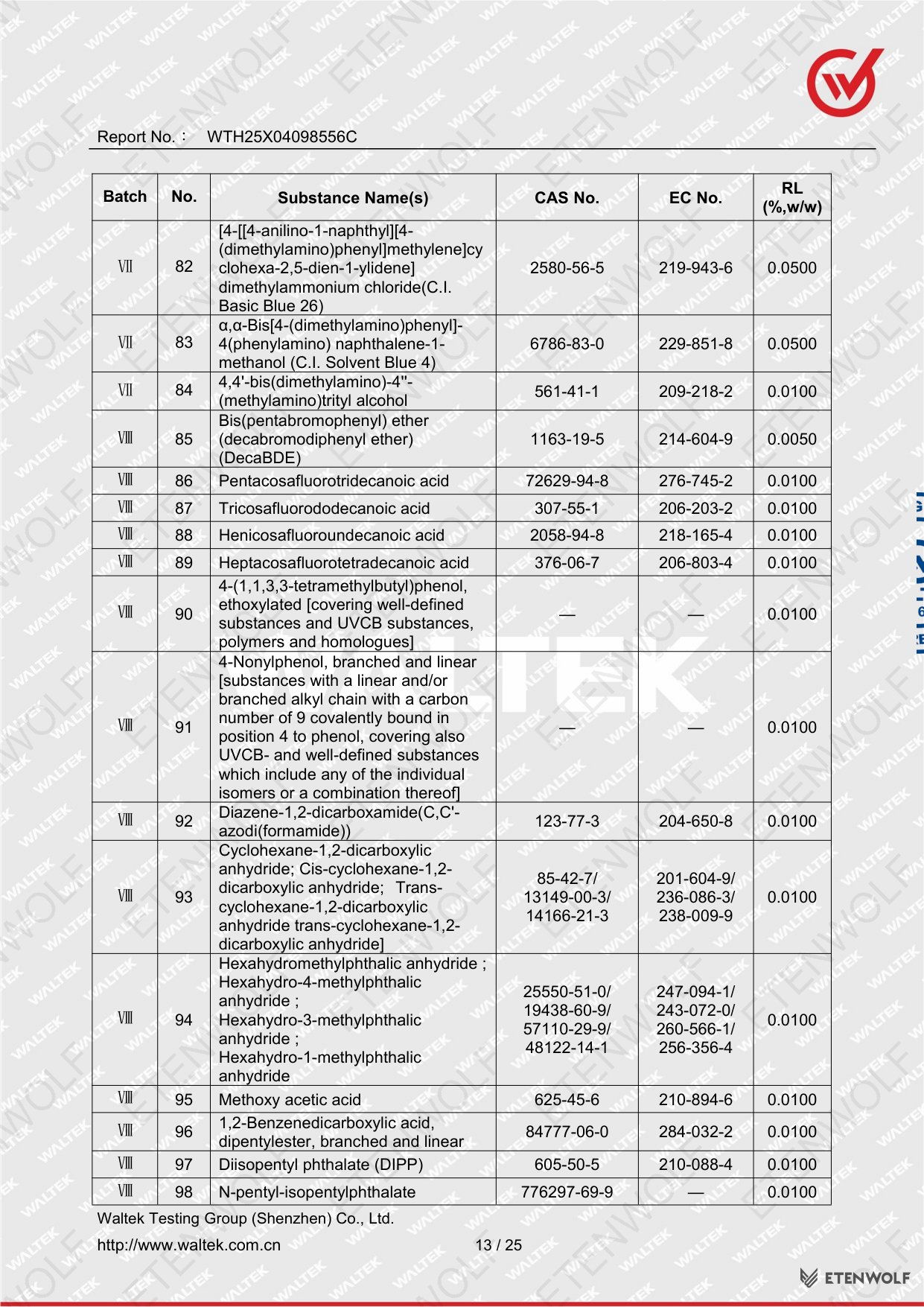
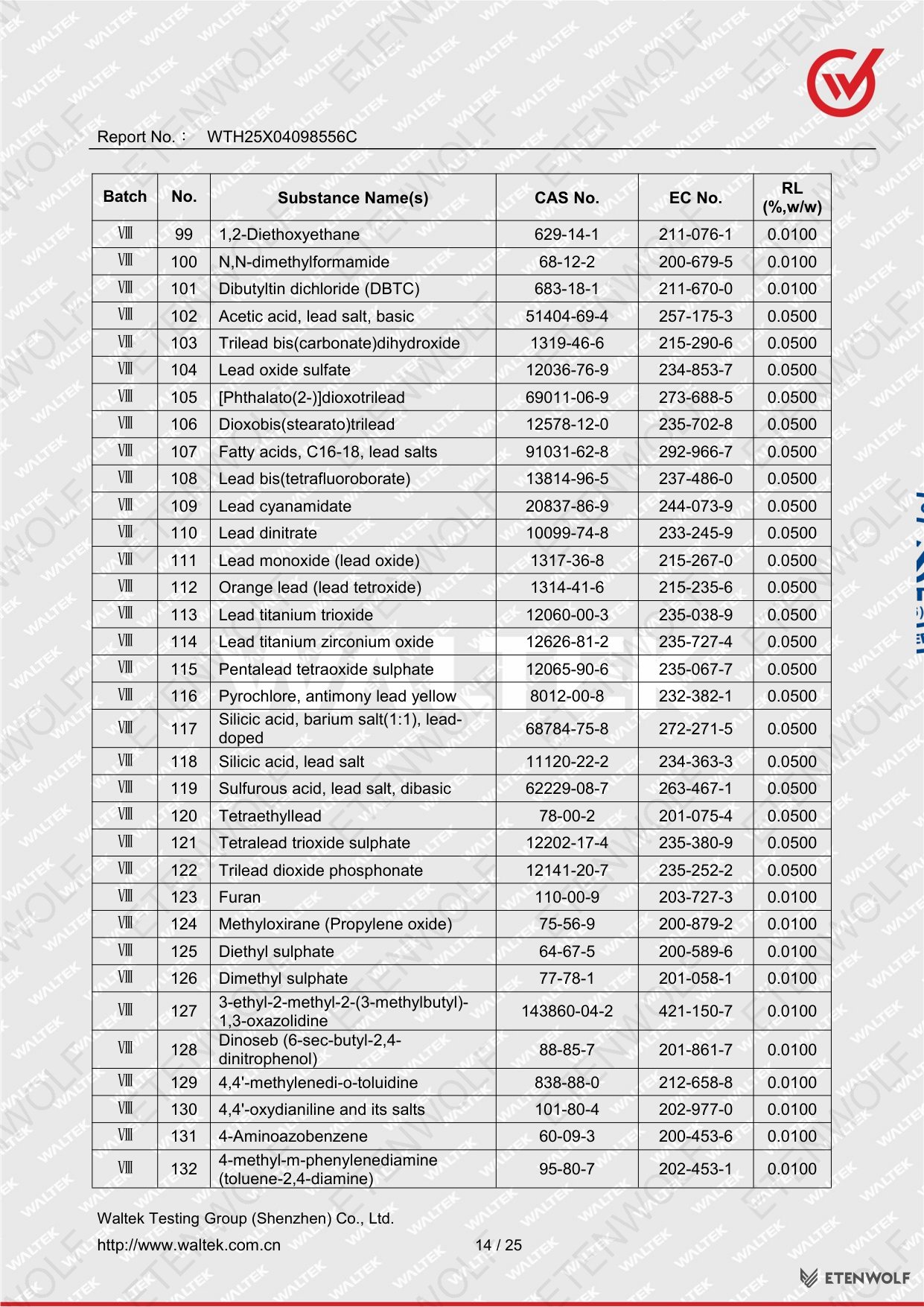
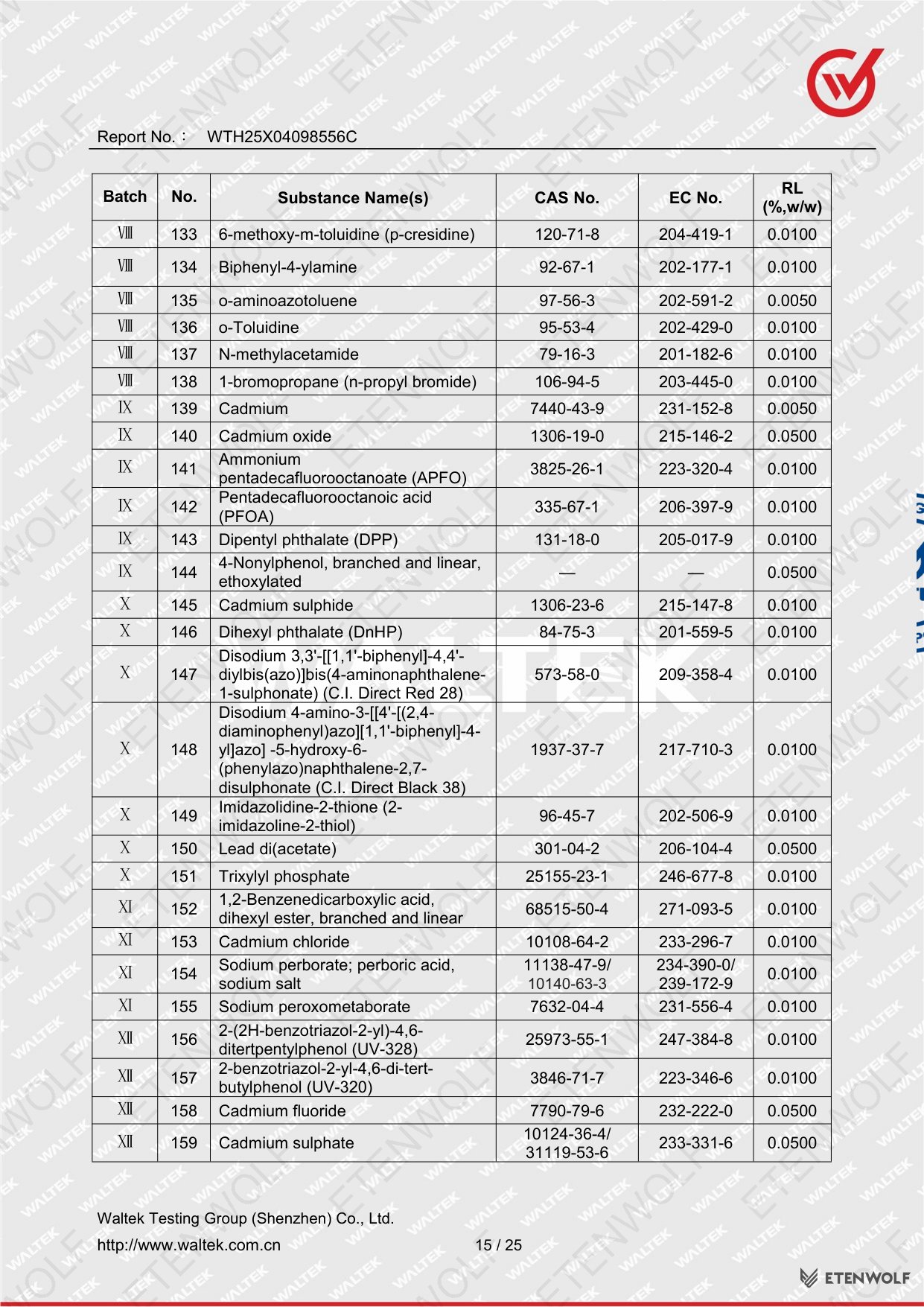
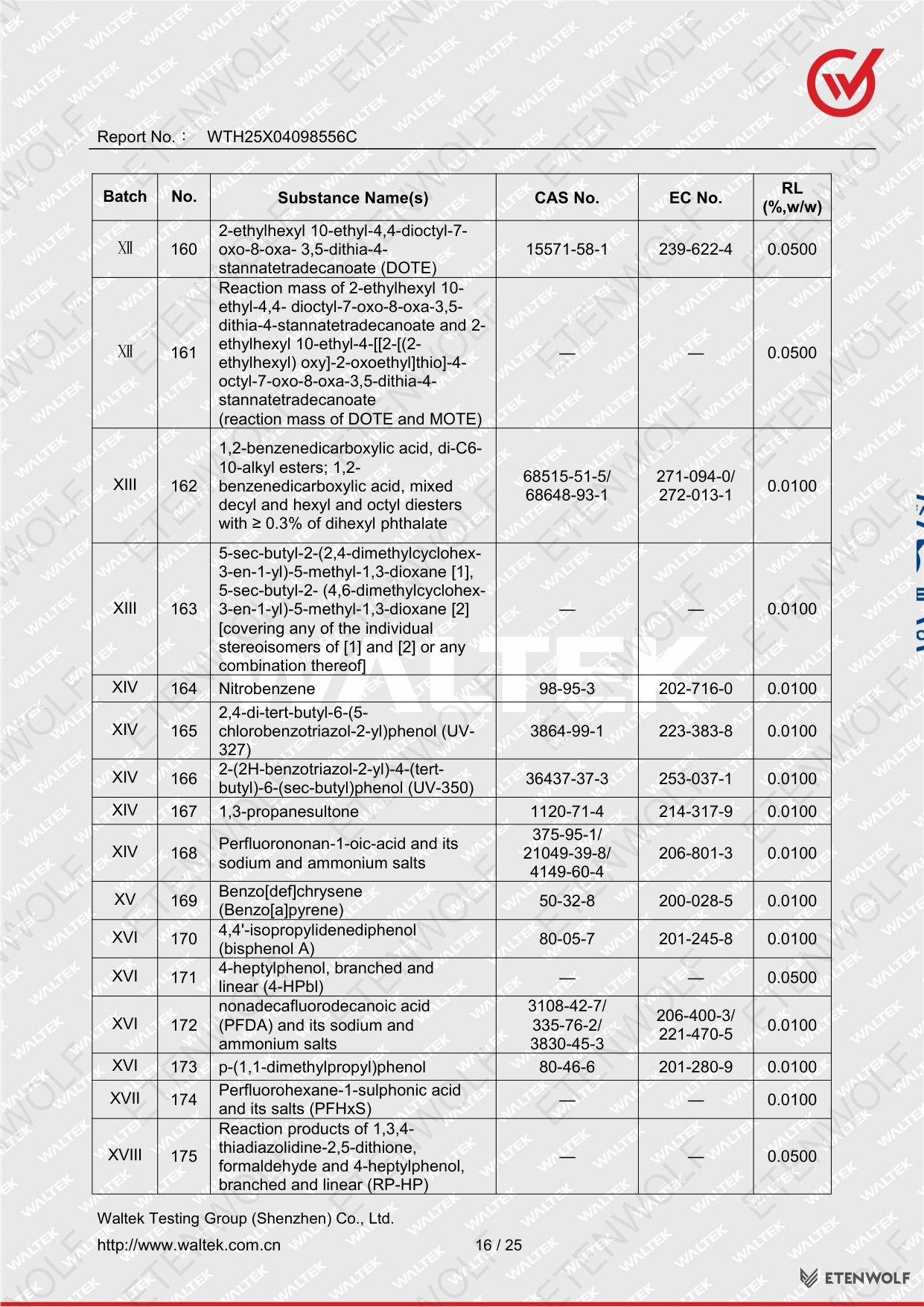
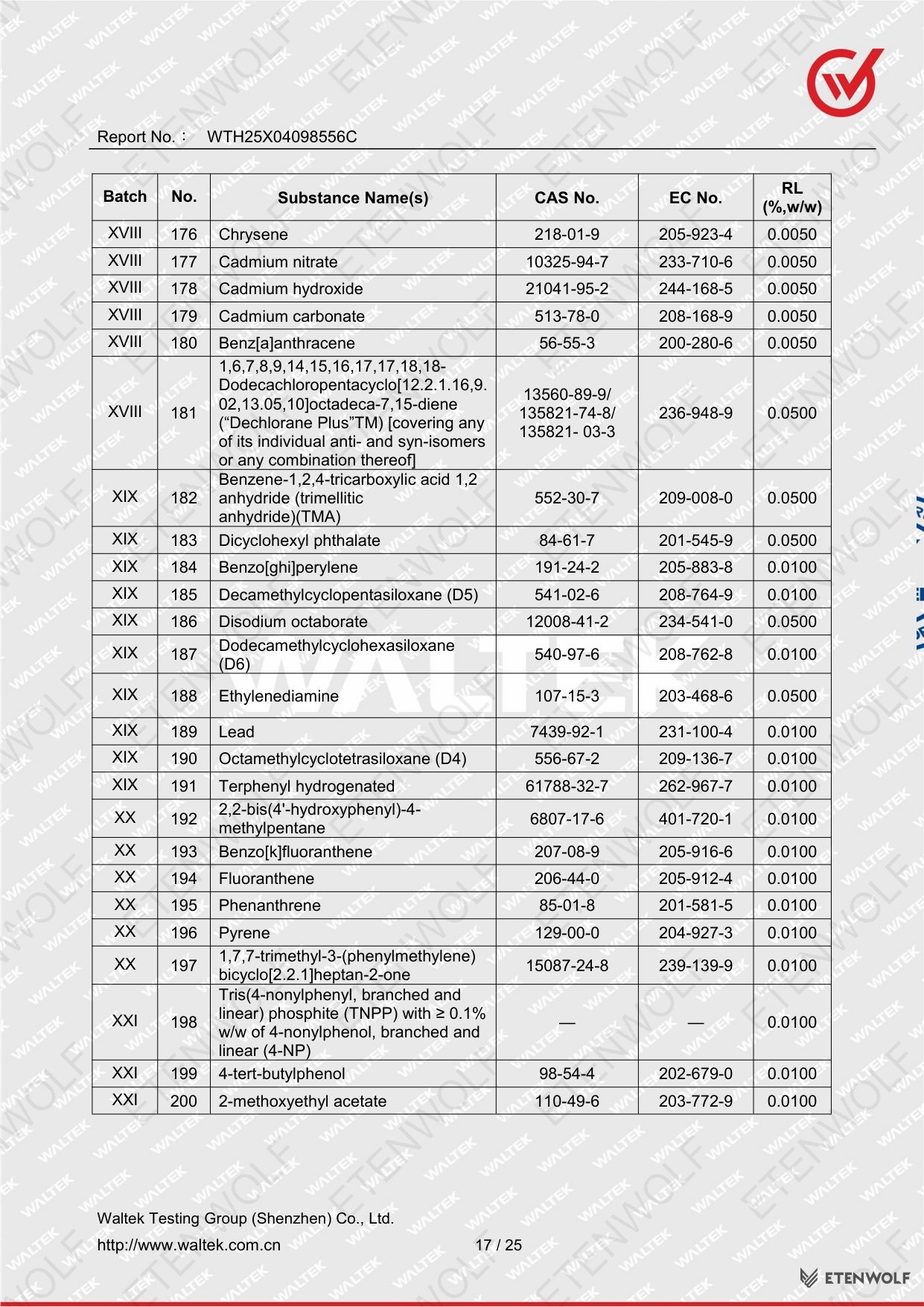
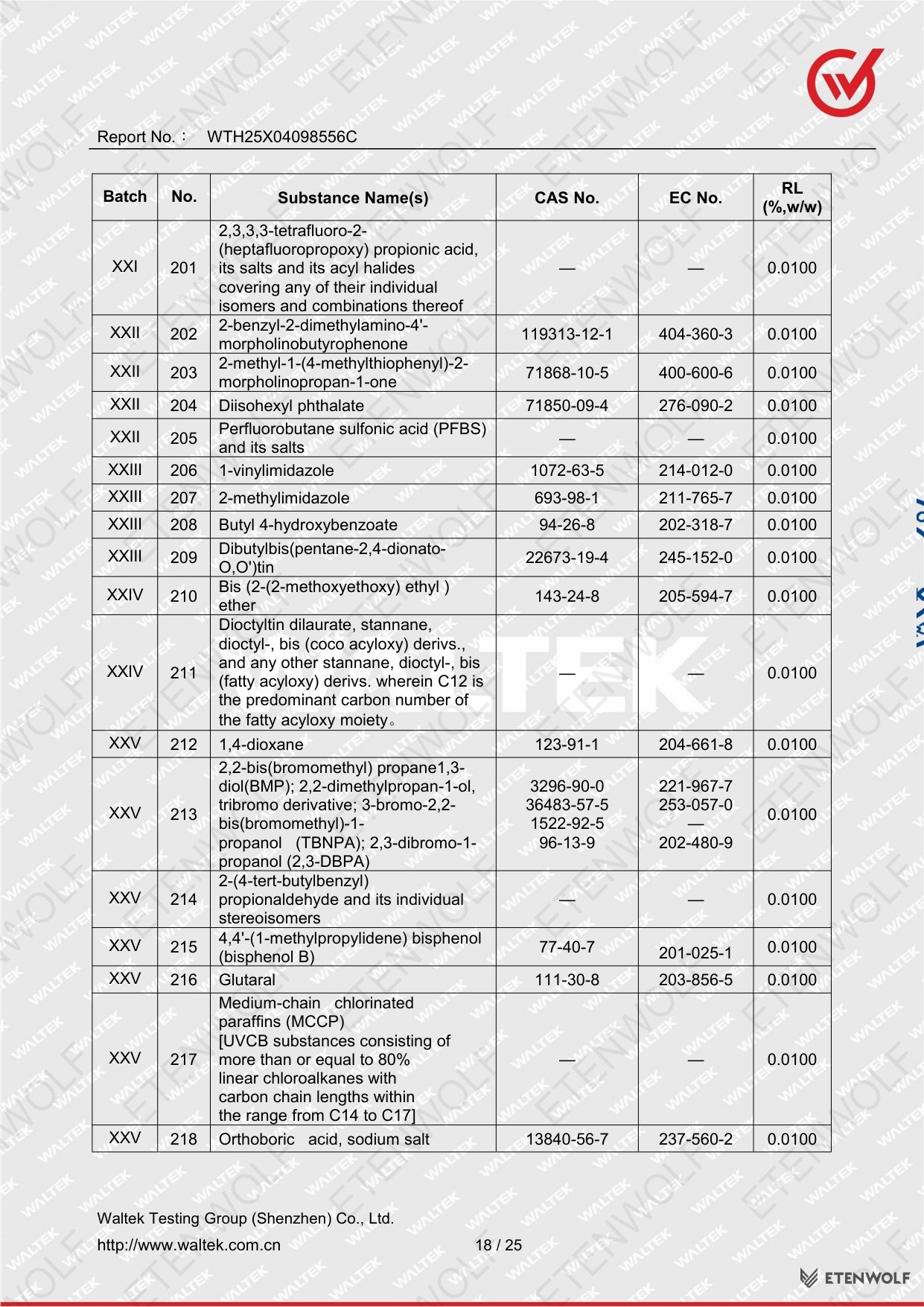
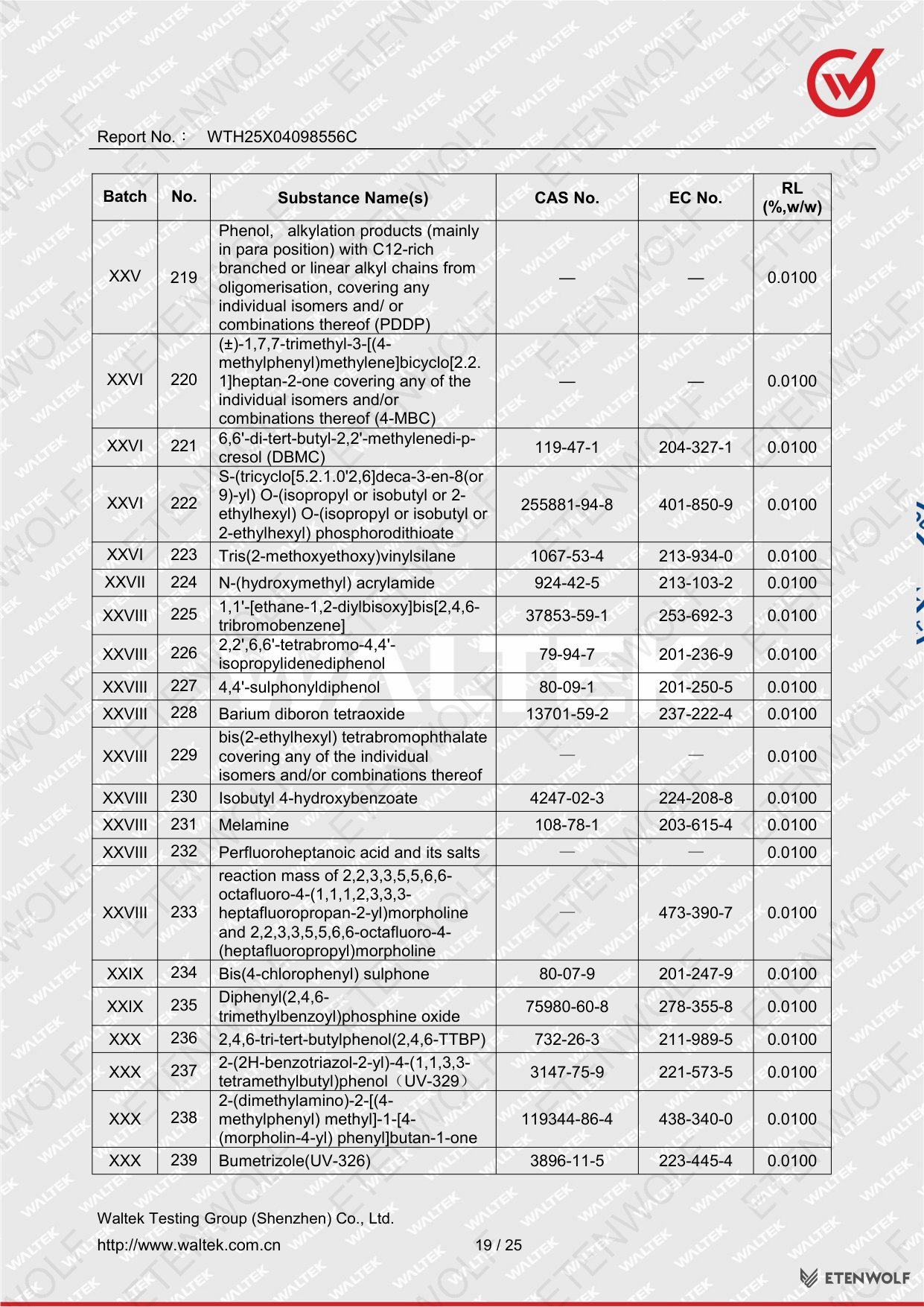
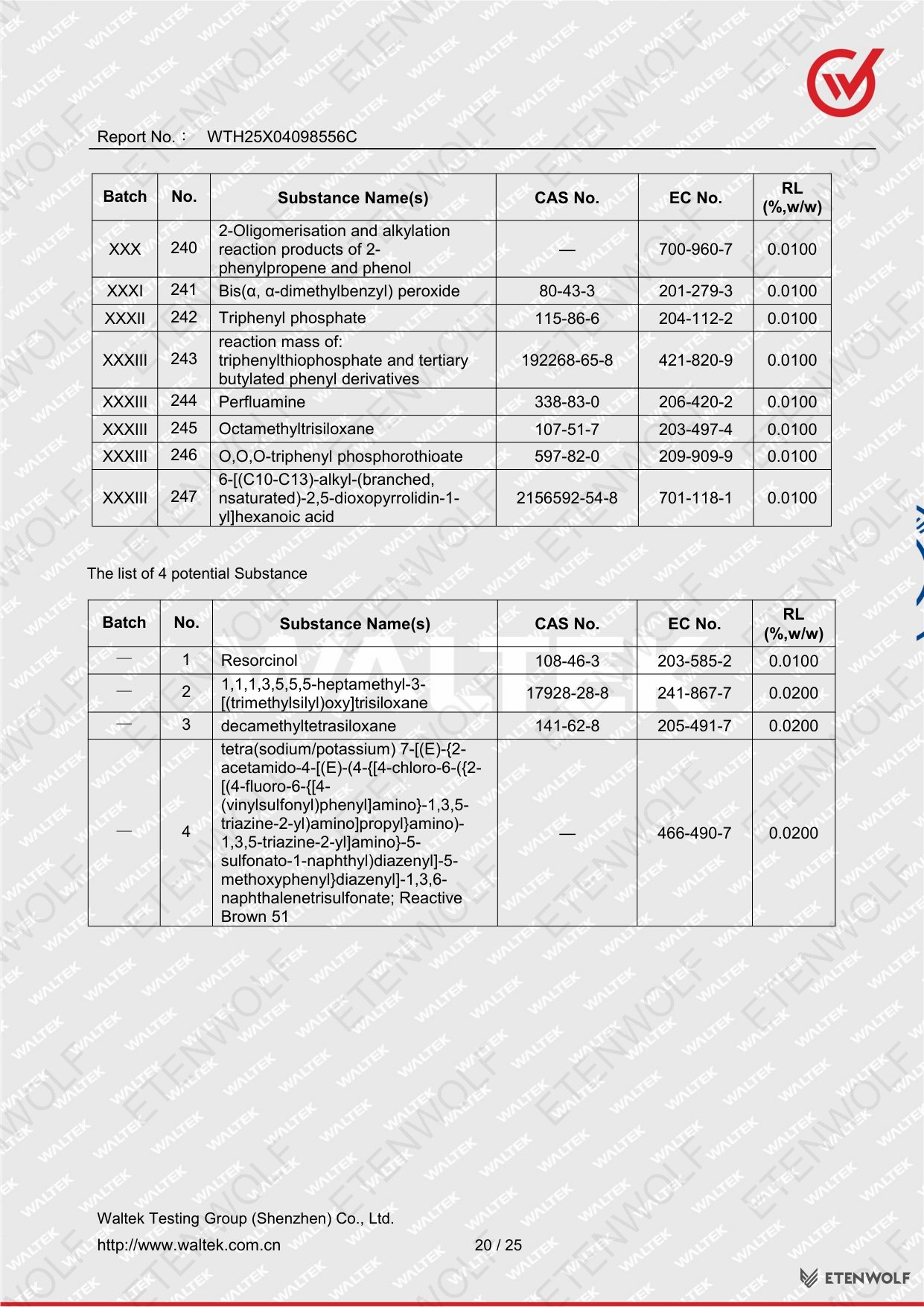
| Regulatory Scope | EC No 1907/2006 (REACH), 247 SVHC + 4 potential substances per ECHA Candidate List |
| Test Conclusion | All 247 SVHC and 4 potential substances: Not Detected (ND), concentrations below 0.1% w/w |
The scope of testing covers the full ECHA Candidate List as published at the time of testing, including 247 confirmed SVHC substances and 4 additional potential substances under evaluation.
Product Information
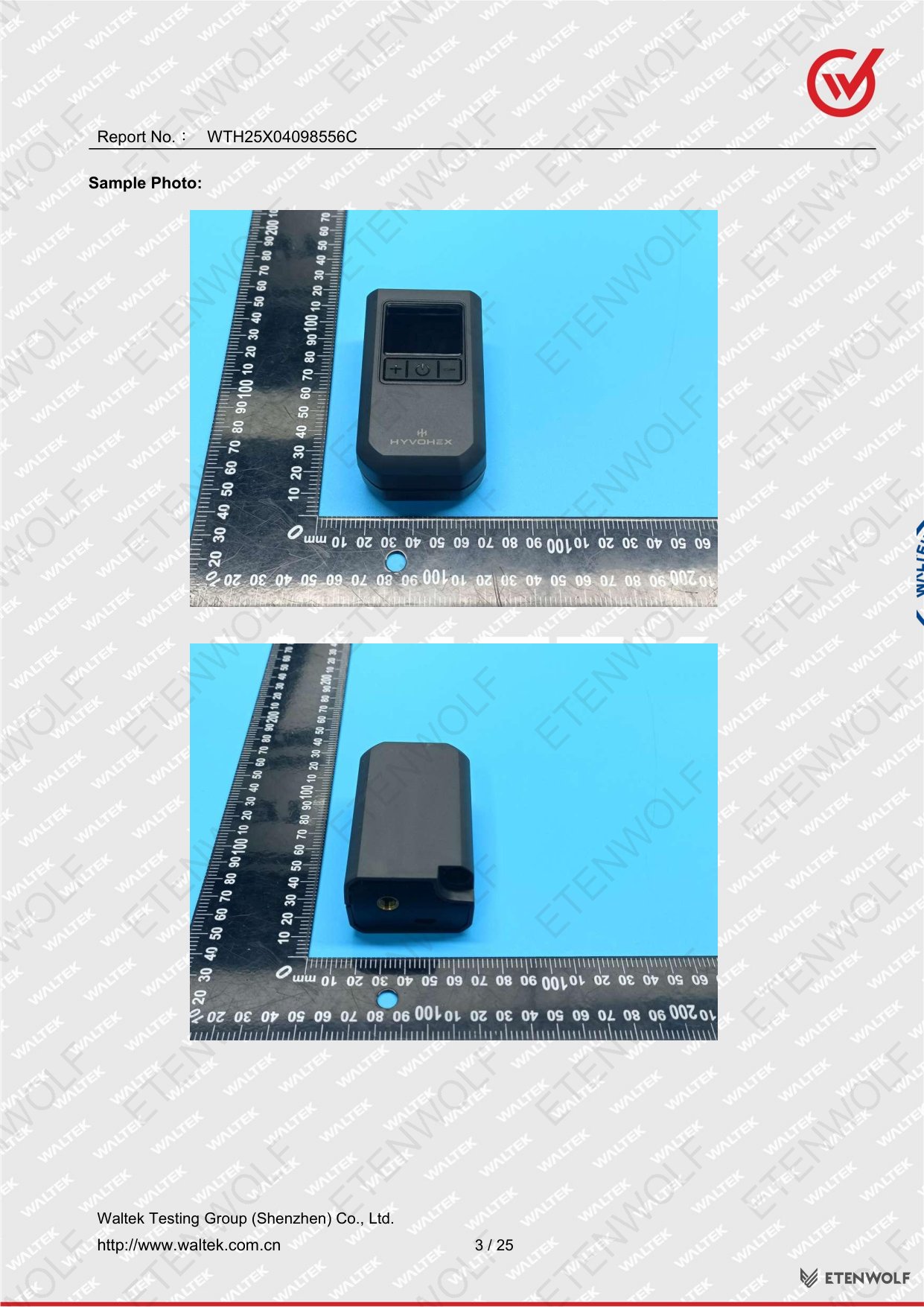
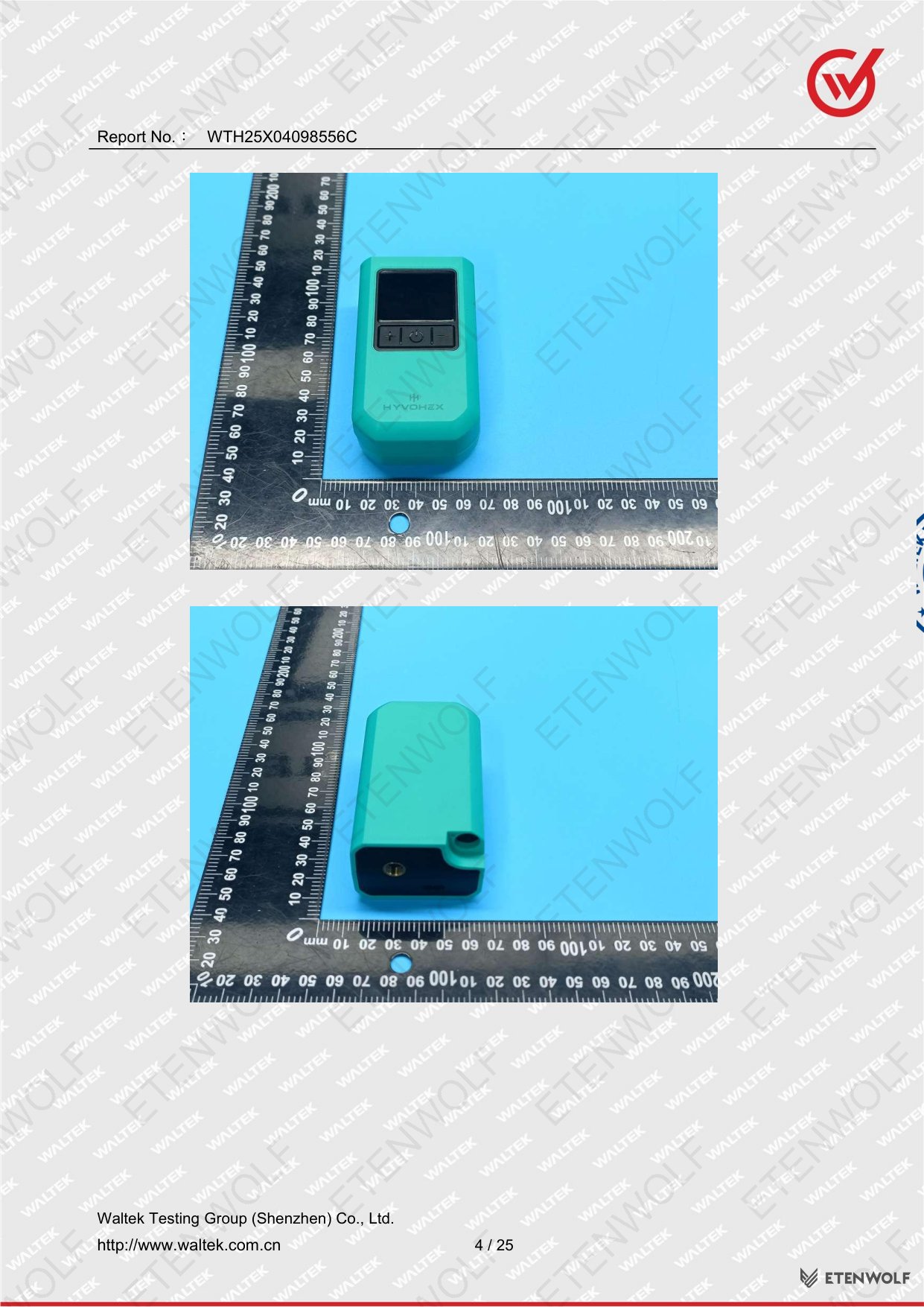
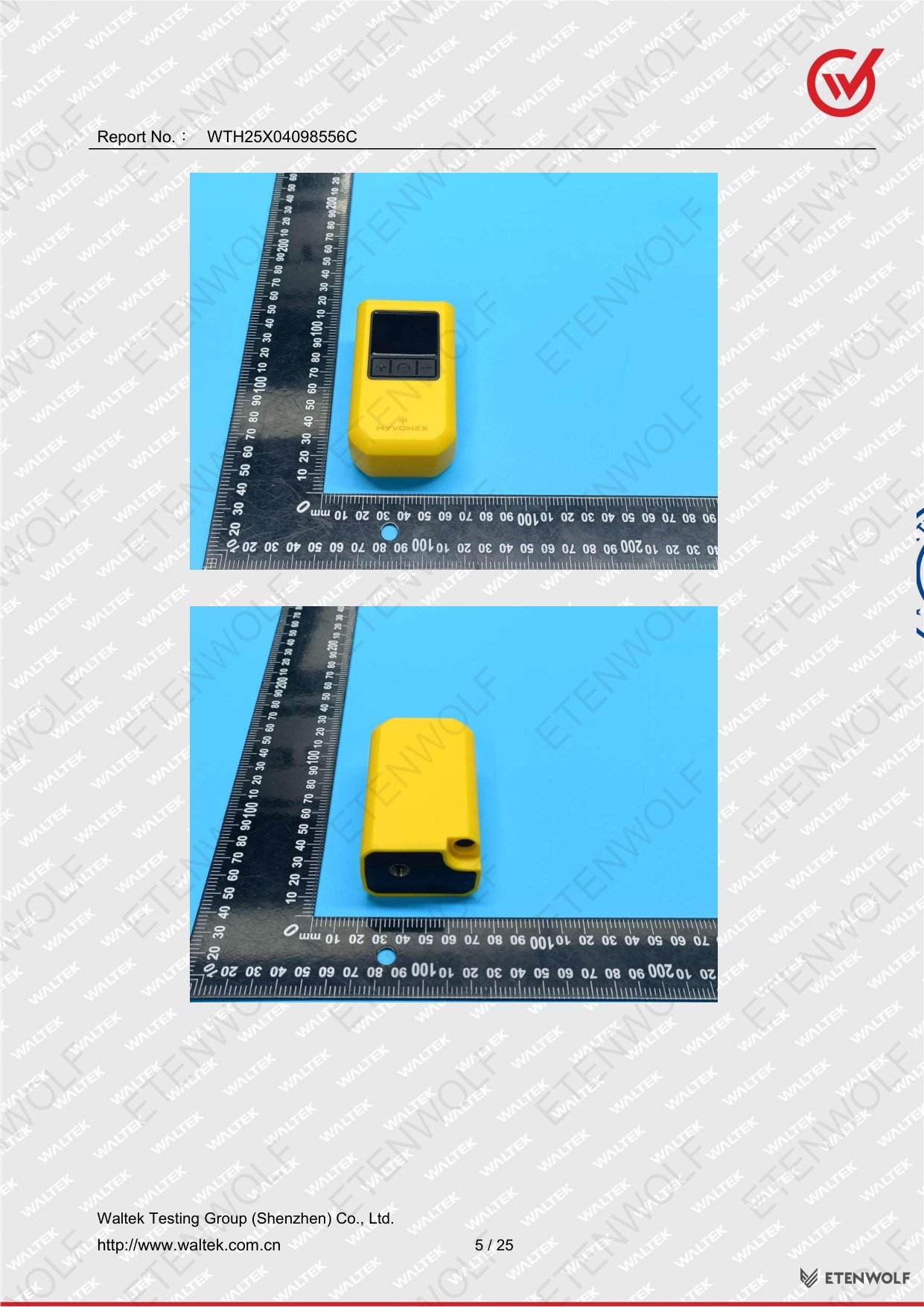
The tested product is the P100 Ball Pump, designed and manufactured by Guangdong Bestek Technology Co., LTD for the ETENWOLF brand. This compact inflation tool is built for versatility and portability, suitable for inflating sports balls and similar applications.
| Field | Details |
|---|---|
| Sample Name | Ball Pump |
| Model Number | P100 |
| Reference Model | NA |
| Brand | NA (manufactured for ETENWOLF) |
| Applicant | Guangdong Bestek Technology Co., LTD |
| Applicant Address | No.1, North Gaopu 8th Road, Yuancheng Industrial Park, Heyuan City, Guangdong, P.R.China |
| Manufacturer | Guangdong Bestek Technology Co., LTD |
| Manufacturer Address | No.1, North Gaopu 8th Road, Yuancheng Industrial Park, Heyuan City, Guangdong, P.R.China |
| Date of Sample Receipt | 2025-04-18 & 2025-04-28 |
| Testing Period | 2025-04-18 ~ 2025-04-25 & 2025-04-28 ~ 2025-04-29 |
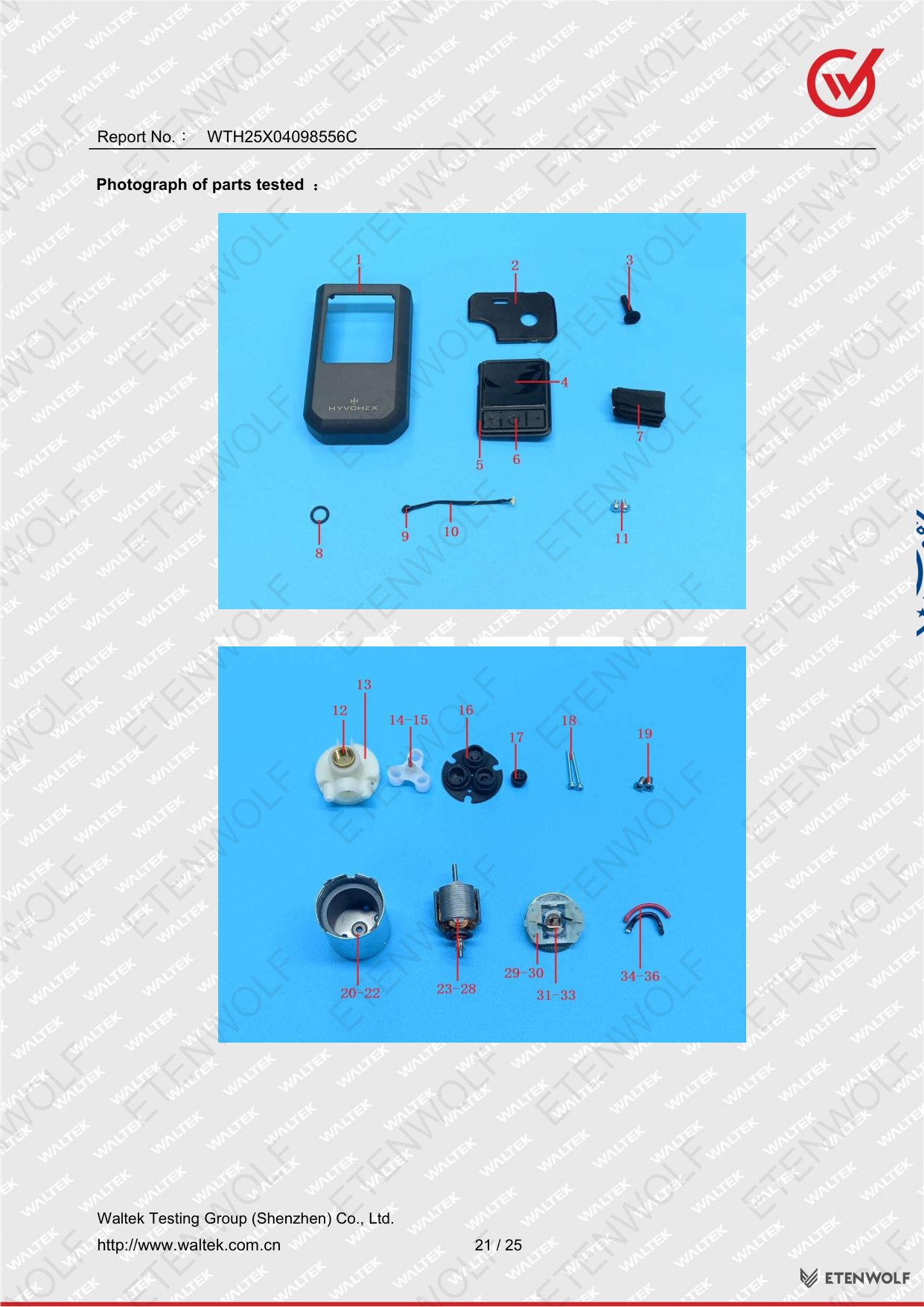
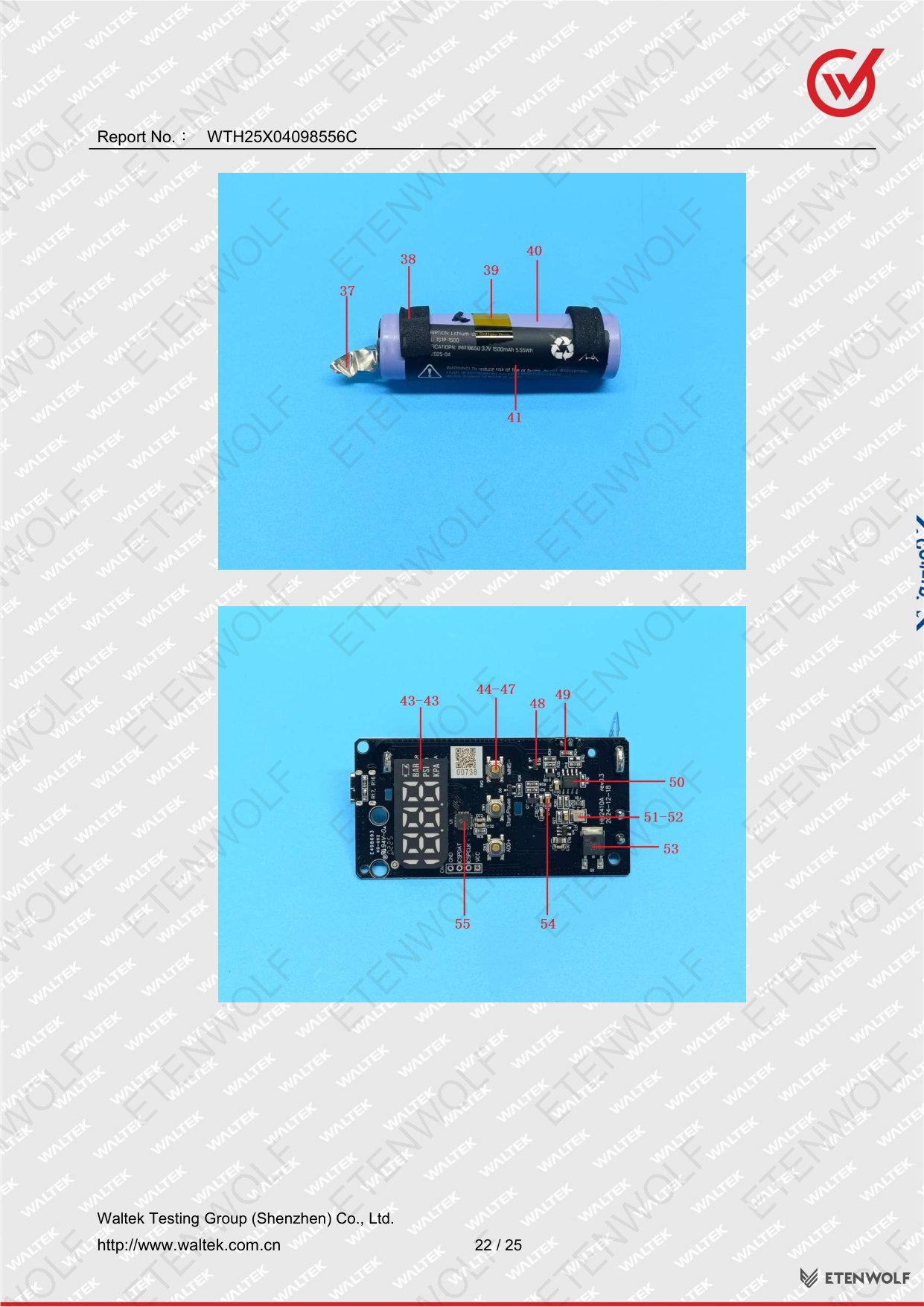
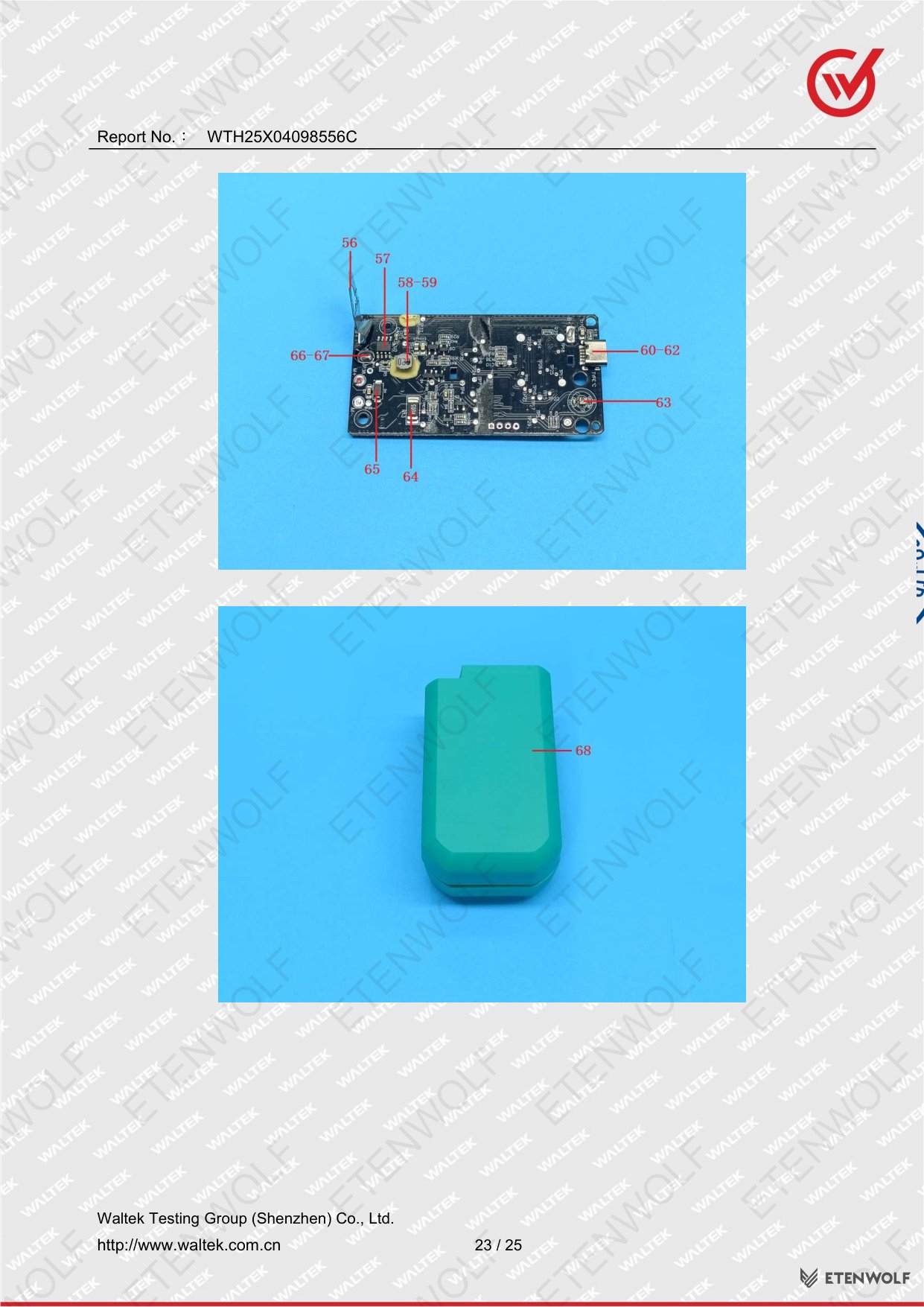
The P100 is a multi-component device incorporating metal parts, non-metal polymer components, electronic assemblies, and a battery cell — all of which were individually sampled and tested across six material groups.
Key Details
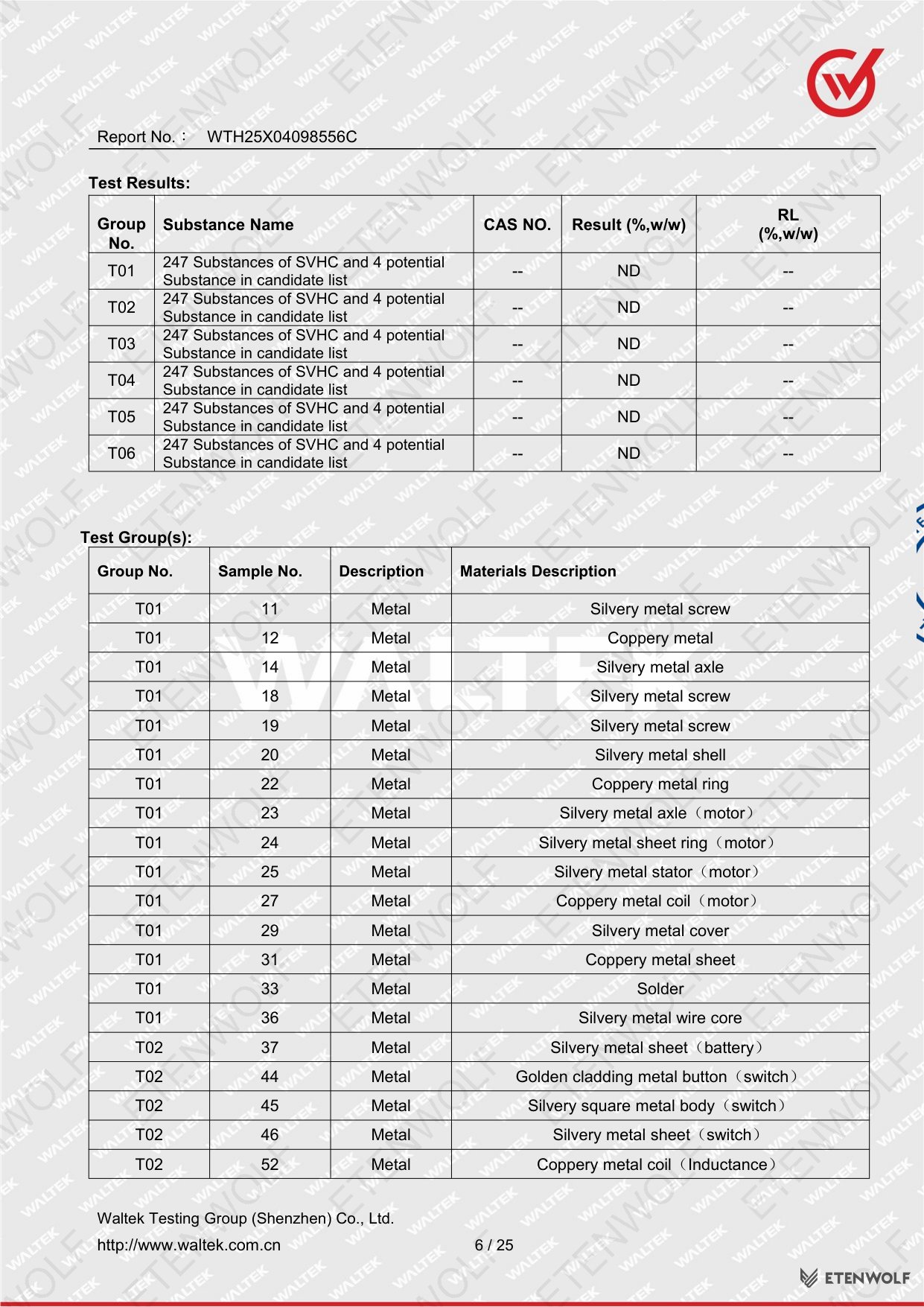
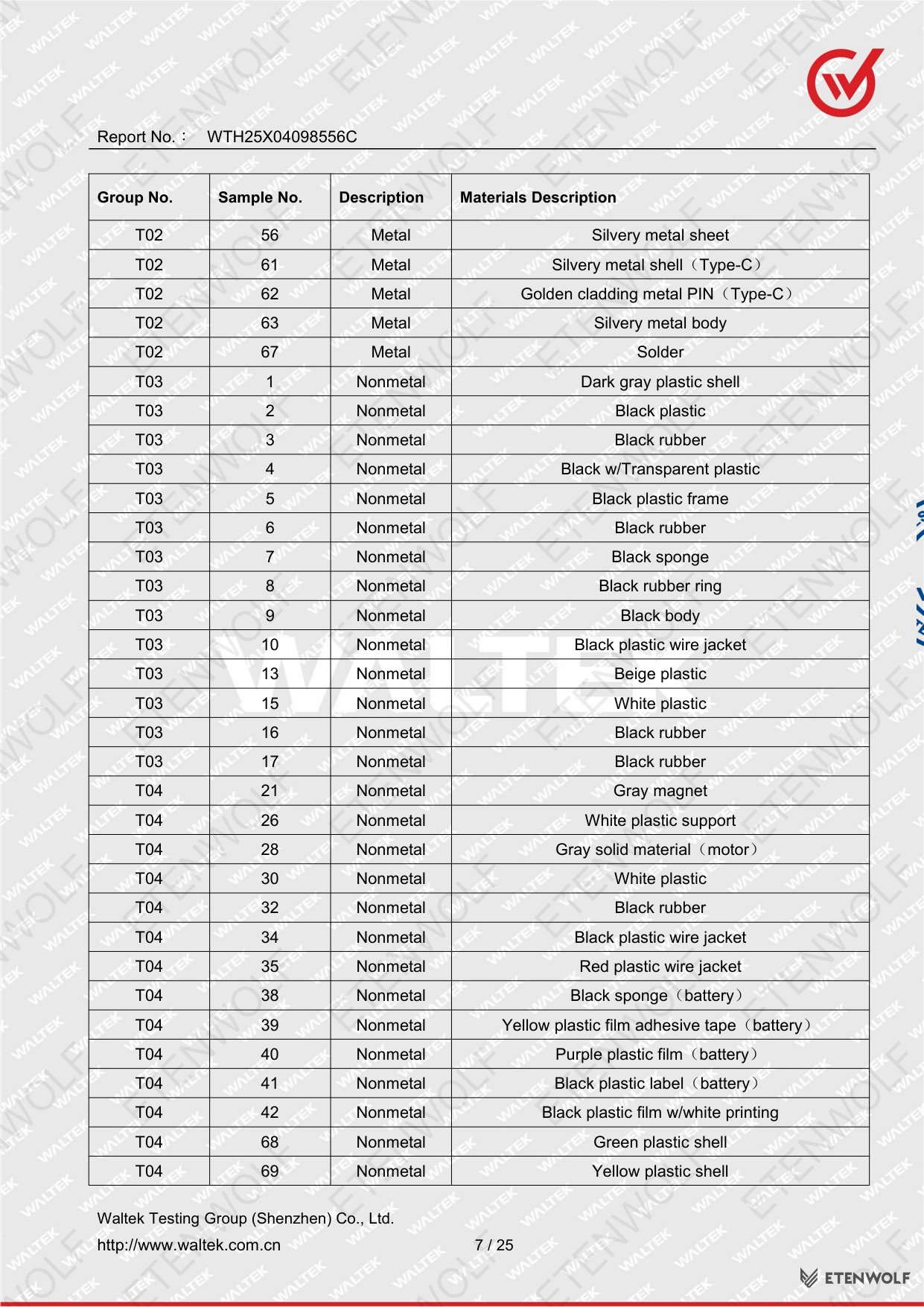
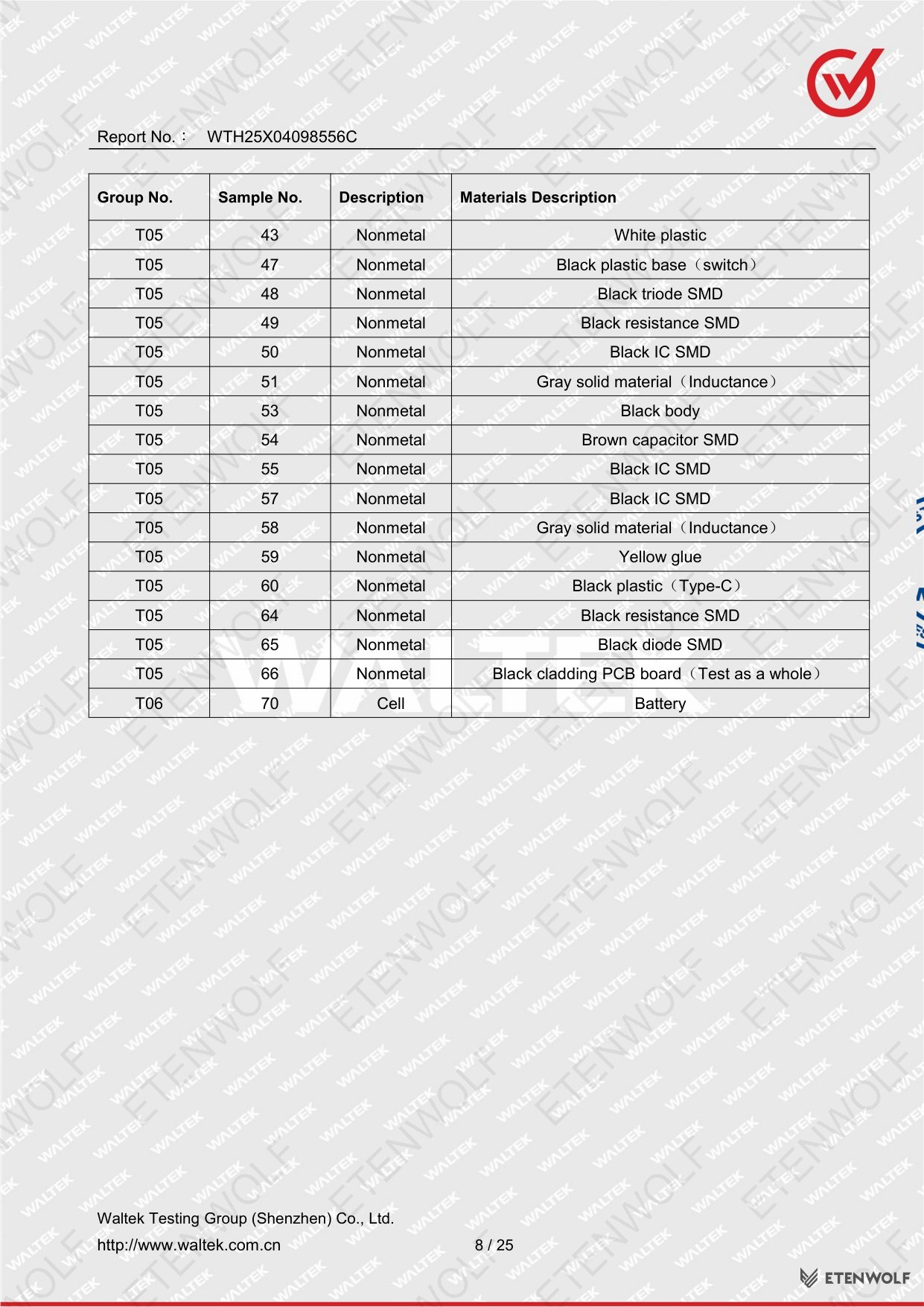
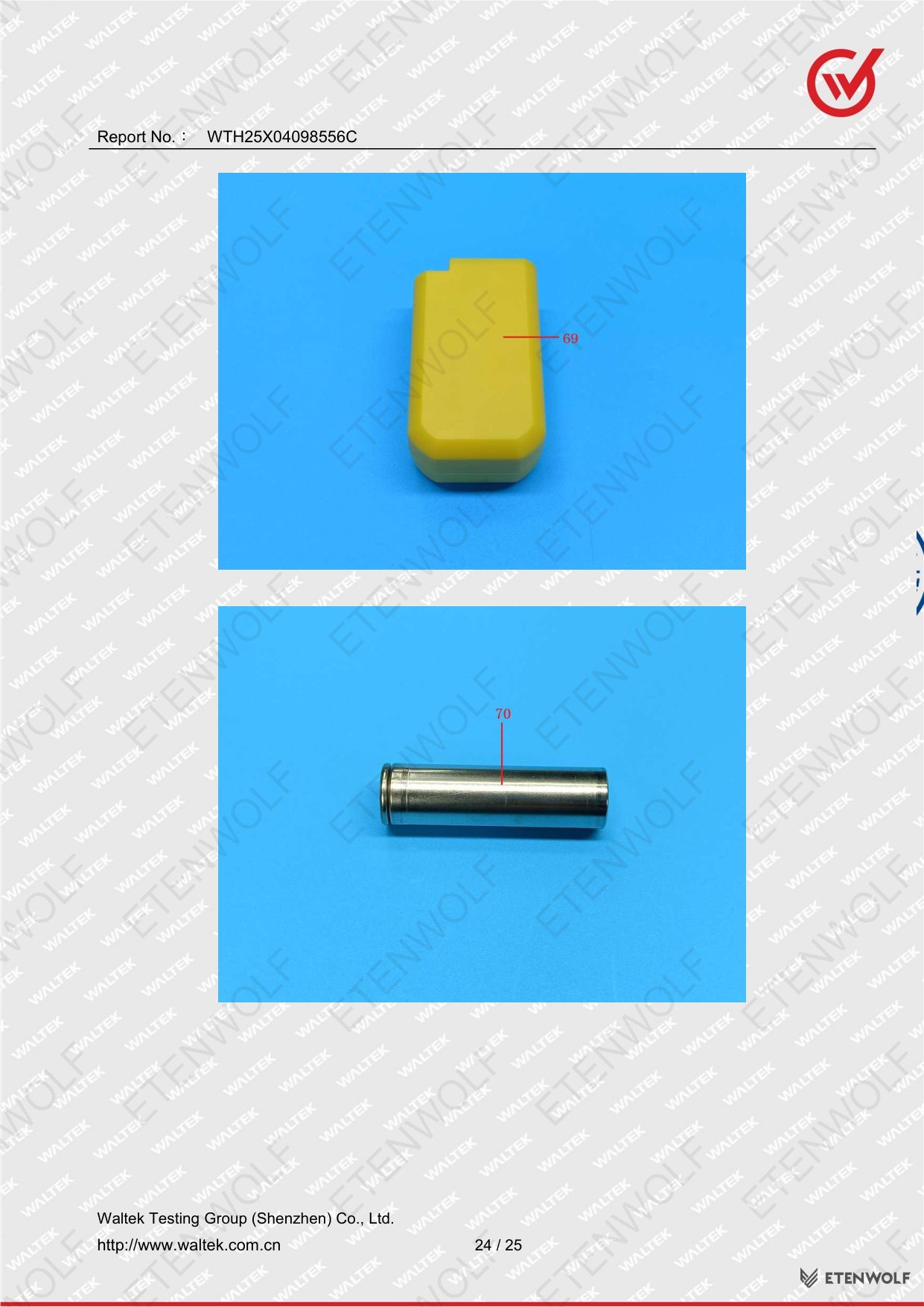
Testing was conducted across six material groups (T01–T06) covering 70 individually identified sample components. All groups returned a Not Detected (ND) result for all 247 SVHC and 4 potential substances, confirming concentrations below the 0.1% w/w reporting limit.
Summary of Test Group Results
| Group No. | Material Category | Result (%,w/w) | RL (%,w/w) |
|---|---|---|---|
| T01 | Metal components (structural, motor parts, solder) | ND | <0.1% |
| T02 | Metal components (battery, switch, Type-C connector, PCB) | ND | <0.1% |
| T03 | Non-metal components (plastic shells, rubber seals, sponge) | ND | <0.1% |
| T04 | Non-metal components (magnet, wire jackets, battery wrapping, plastic labels) | ND | <0.1% |
| T05 | Non-metal components (SMD electronics, PCB board, Type-C plastic, glue) | ND | <0.1% |
| T06 | Battery cell | ND | <0.1% |
Representative Component Breakdown
| Group | Sample No. | Material Type | Description |
|---|---|---|---|
| T01 | 11 | Metal | Silvery metal screw |
| T01 | 12 | Metal | Coppery metal |
| T01 | 14 | Metal | Silvery metal axle |
| T01 | 23 | Metal | Silvery metal axle (motor) |
| T01 | 27 | Metal | Coppery metal coil (motor) |
| T01 | 33 | Metal | Solder |
| T02 | 37 | Metal | Silvery metal sheet (battery) |
| T02 | 61 | Metal | Silvery metal shell (Type-C) |
| T02 | 62 | Metal | Golden cladding metal PIN (Type-C) |
| T03 | 1 | Nonmetal | Dark gray plastic shell |
| T03 | 3 | Nonmetal | Black rubber |
| T03 | 8 | Nonmetal | Black rubber ring |
| T04 | 21 | Nonmetal | Gray magnet |
| T04 | 39 | Nonmetal | Yellow plastic film adhesive tape (battery) |
| T05 | 48 | Nonmetal | Black triode SMD |
| T05 | 66 | Nonmetal | Black cladding PCB board (tested as a whole) |
| T06 | 70 | Cell | Battery |
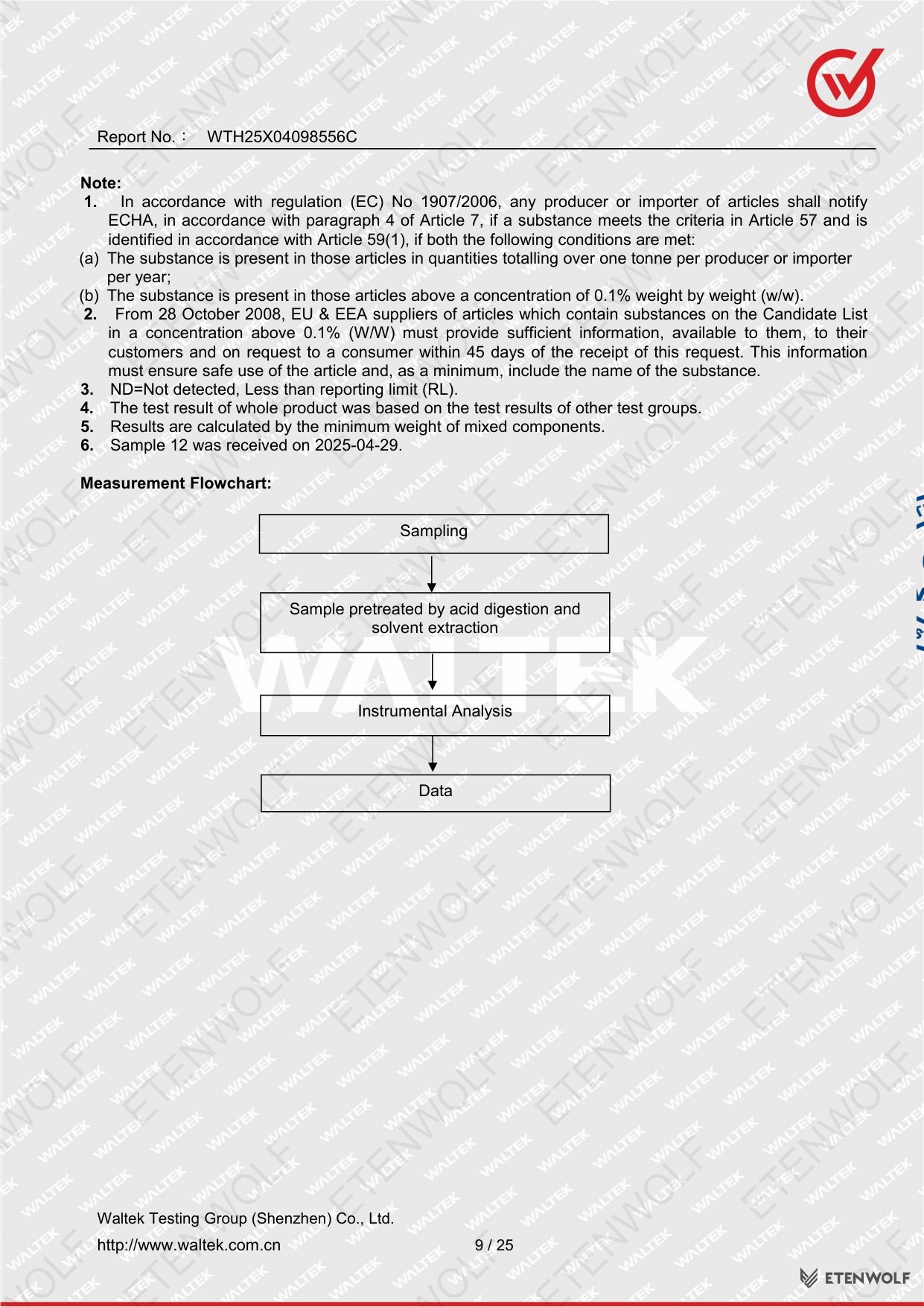
Note: Sample 12 was received on 2025-04-28. Results for the whole product are based on the combined results of all test groups. Results are calculated by the minimum weight of mixed components. ND = Not Detected, meaning concentrations are less than the reporting limit (RL).
Standards & Compliance
The REACH SVHC test for the P100 was conducted using a multi-method analytical approach to cover all substance categories on the ECHA Candidate List. The regulatory framework and all referenced test methods are detailed below.
Regulatory Framework
| Regulation | Scope |
|---|---|
| EC No 1907/2006 (REACH) | Governs SVHC identification, notification, and communication obligations for articles placed on the EU/EEA market |
| ECHA Candidate List | 247 confirmed SVHC substances + 4 potential substances tested at time of report |
Test Methods Applied
| Method | Application |
|---|---|
| EPA 3550C:2007 | Ultrasonic extraction of organic compounds from solid and semisolid matrices |
| US EPA 8270D:2018 | GC/MS analysis of semivolatile organic compounds |
| US EPA 3052:1996 | Microwave assisted acid digestion of siliceous and organically based matrices |
| US EPA 3050B:1996 | Acid digestion of sediments, sludges, and soils for metal analysis |
| US EPA 6010D:2018 | Inductively coupled plasma — optical emission spectrometry (ICP-OES) for metals |
| BS EN ISO 14362-1:2017 | Detection of aromatic amines derived from azo colorants in textiles |
| BS EN ISO 14362-3:2017 | Detection of 4-aminoazobenzene derived from azo colorants |
| ISO 17234-1:2020 | Testing of certain azo colorants in leather |
| ISO 17234-2:2011 | Testing of 4-aminoazobenzene in leather |
| ISO 17353:2004 | Determination of selected organotin compounds in water |
| AfPS GS 2019:01 PAK | Determination of polycyclic aromatic hydrocarbons (PAH) in consumer articles |
The measurement workflow followed this sequence: Sampling → Sample pretreatment by acid digestion and solvent extraction → Instrumental Analysis → Data evaluation and reporting.
Validity & Certification Body
This test report was prepared and issued by Waltek Testing Group (Shenzhen) Co., Ltd., an accredited third-party testing laboratory. The report is valid with respect to the ECHA Candidate List version applicable at the date of issue. As the Candidate List is updated periodically, compliance status should be re-evaluated whenever ECHA adds new SVHC entries.
| Field | Details |
|---|---|
| Report Number | WTH25X04098556C |
| Date of Issue | 2025-04-30 |
| Testing Laboratory | Waltek Testing Group (Shenzhen) Co., Ltd. |
| Laboratory Address | 1/F., Room 101, Building 1, Hongwei Industrial Park, Liuxian 2nd Road, Block 70 Bao’an District, Shenzhen, Guangdong, China |
| Laboratory Website | http://www.waltek.com.cn |
| Telephone | +86-755-33663308 |
| Fax | +86-755-33663309 |
| [email protected] | |
| Signed By | Hugo Chen, on behalf of Waltek Testing Group (Shenzhen) Co., Ltd. |
| Validity Note | Valid for the 247 SVHC + 4 potential substances on the ECHA Candidate List as of 2025-04-30; re-testing recommended upon each new ECHA Candidate List update |
Under Article 7(2) and Article 33 of REACH, EU and EEA suppliers of articles containing SVHC above 0.1% w/w must proactively inform customers and provide information to consumers upon request within 45 days. This report confirms that the P100 does not trigger these obligations as of the report date.
Frequently Asked Questions
- What does REACH SVHC compliance mean for the ETENWOLF P100?
- It means that all 247 Substances of Very High Concern (SVHC) listed on the ECHA Candidate List, plus 4 additional potential substances, were tested across all material components of the P100 Ball Pump and none were detected above the 0.1% weight-by-weight threshold. The product is therefore compliant with EC No 1907/2006 (REACH) SVHC obligations as of 2025-04-30.
- Which laboratory conducted the REACH SVHC testing, and is it accredited?
- Testing was conducted by Waltek Testing Group (Shenzhen) Co., Ltd., a professional third-party testing laboratory based in Shenzhen, China. The report number is WTH25X04098556C, signed by Hugo Chen on 2025-04-30. Waltek is a recognized testing body with capabilities spanning chemical, electrical, and mechanical safety evaluations for global markets.
- How many components of the P100 were individually tested?
- A total of 70 individual material samples were extracted from the P100 and organized into six test groups (T01–T06), covering metal parts, non-metal polymers, rubber and sponge components, electronic SMD components, PCB assemblies, and the battery cell. All groups returned Not Detected (ND) results.
- Does REACH SVHC compliance need to be retested after ECHA updates its Candidate List?
- Yes. The ECHA Candidate List is updated periodically as new substances are identified as SVHC. This report covers 247 confirmed SVHC and 4 potential substances as of the 2025-04-30 issue date. Manufacturers and importers should review compliance status each time ECHA publishes a Candidate List update to ensure continued conformity.
Related Documents
The following certification and compliance documents are relevant for the P100 Ball Pump and are recommended to provide comprehensive product compliance coverage for EU, US, and global markets:
- RoHS Compliance Report — Tests for restricted hazardous substances (lead, mercury, cadmium, hexavalent chromium, PBB, PBDE, DEHP, BBP, DBP, DIBP) under EU Directive 2011/65/EU (RoHS 3). Complements REACH testing for a full chemical compliance picture.
- CE Declaration of Conformity — Required for placing the P100 on the European market. Covers applicable EU directives such as the Low Voltage Directive (LVD) and Radio Equipment Directive (RED) where applicable.
- UN 38.3 Battery Transport Test Report — Mandatory for lithium-ion battery cells (as present in the P100, Sample 70) for safe air, sea, and road transport under UN 38.3 regulations.
- FCC Declaration of Conformity — Required for electronic devices sold in the US market under FCC regulations, covering electromagnetic compatibility and radio frequency emissions.
- KC Certification — Required for electronic products entering the South Korean market under the KC Mark scheme, covering electrical safety and EMC requirements.
- ISO 9001 Quality Management Certificate — Demonstrates the manufacturer’s quality management system conformance, supporting overall product reliability claims.
Document Pages