Document Overview
Document Overview This page presents the official REACH SVHC Test Report for the ETENWOLF P200 electric ball pump. The report was issued by Waltek Testing Group (Shenzhen) Co., Ltd., an accredited third-party testing laboratory, under Report No. WTH25X05134196C. The test was conducted in accordance with…
- Document type
- Certification Report
- Prepared by
- Michelle Torres
- Published
- Last reviewed
- Topics
- Sports & Recreation
Document Overview
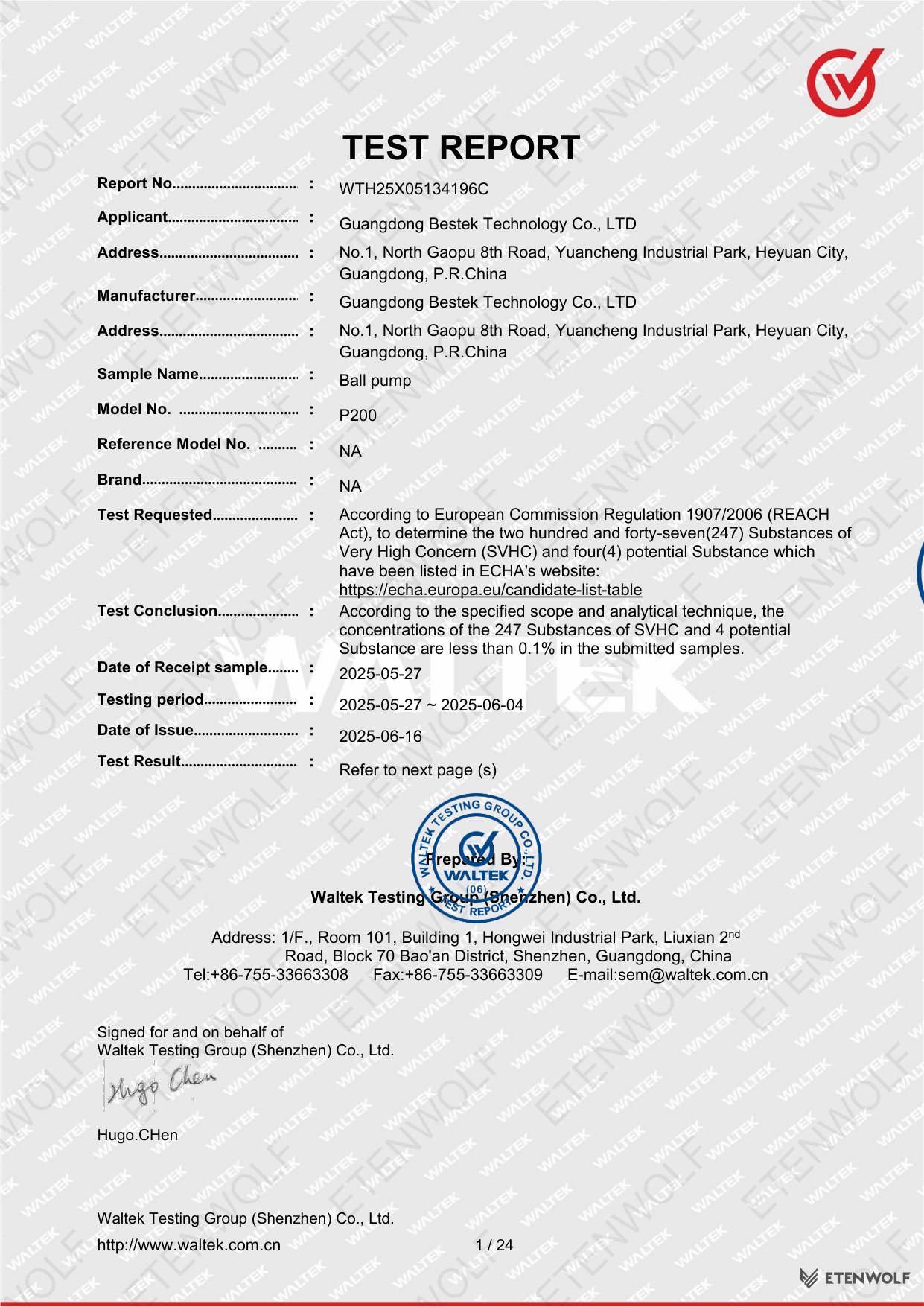
This page presents the official REACH SVHC Test Report for the ETENWOLF P200 electric ball pump. The report was issued by Waltek Testing Group (Shenzhen) Co., Ltd., an accredited third-party testing laboratory, under Report No. WTH25X05134196C.
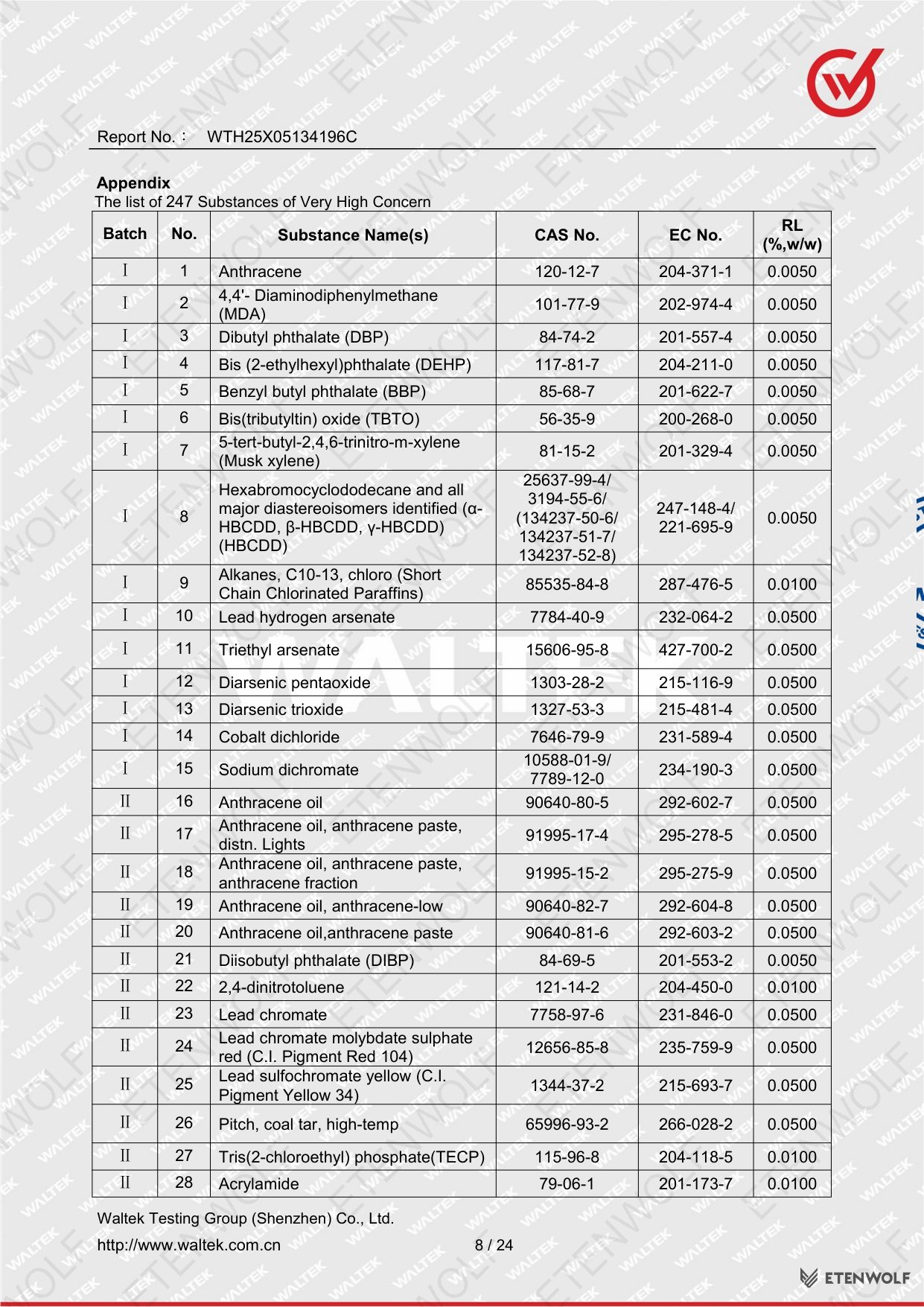
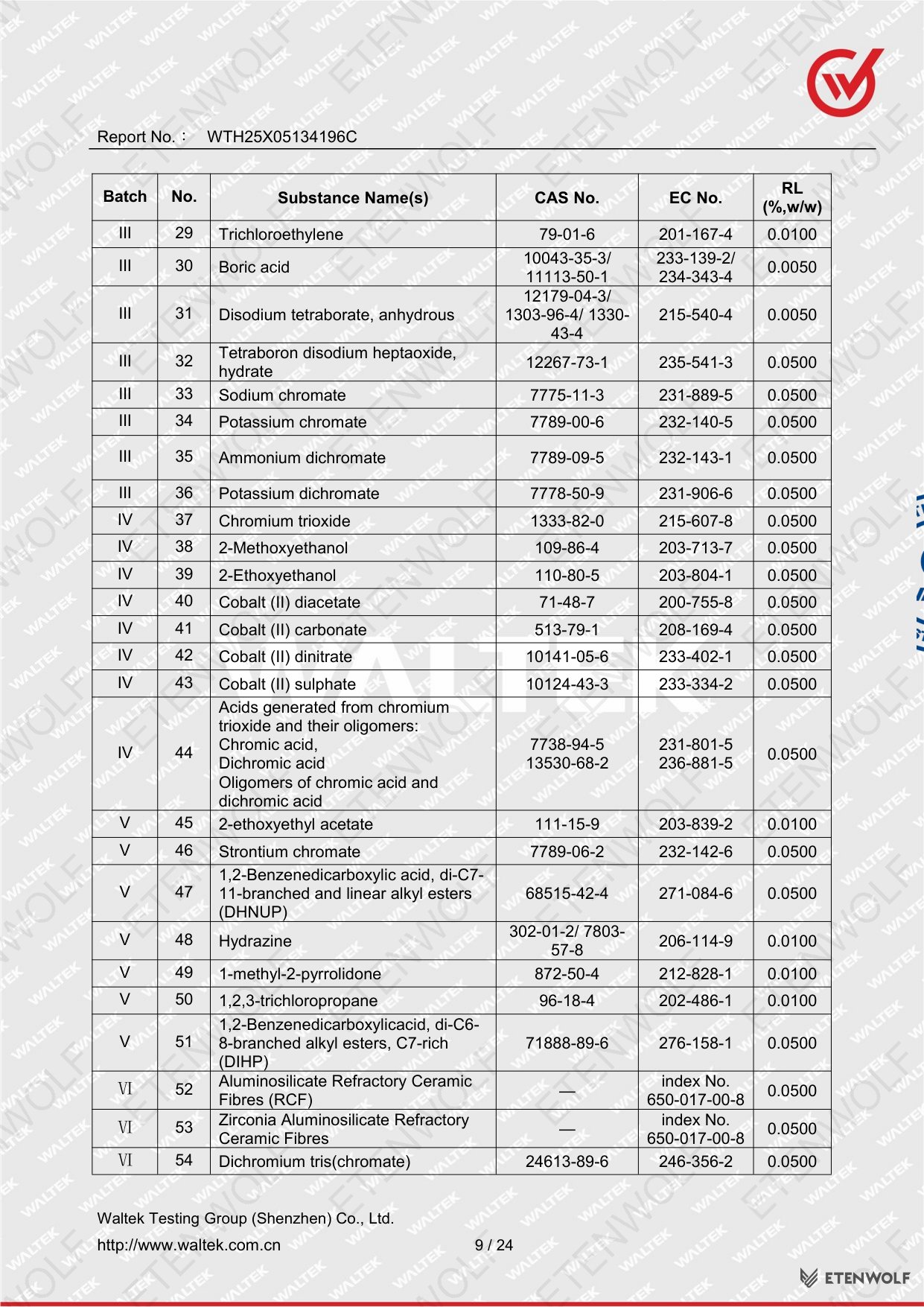
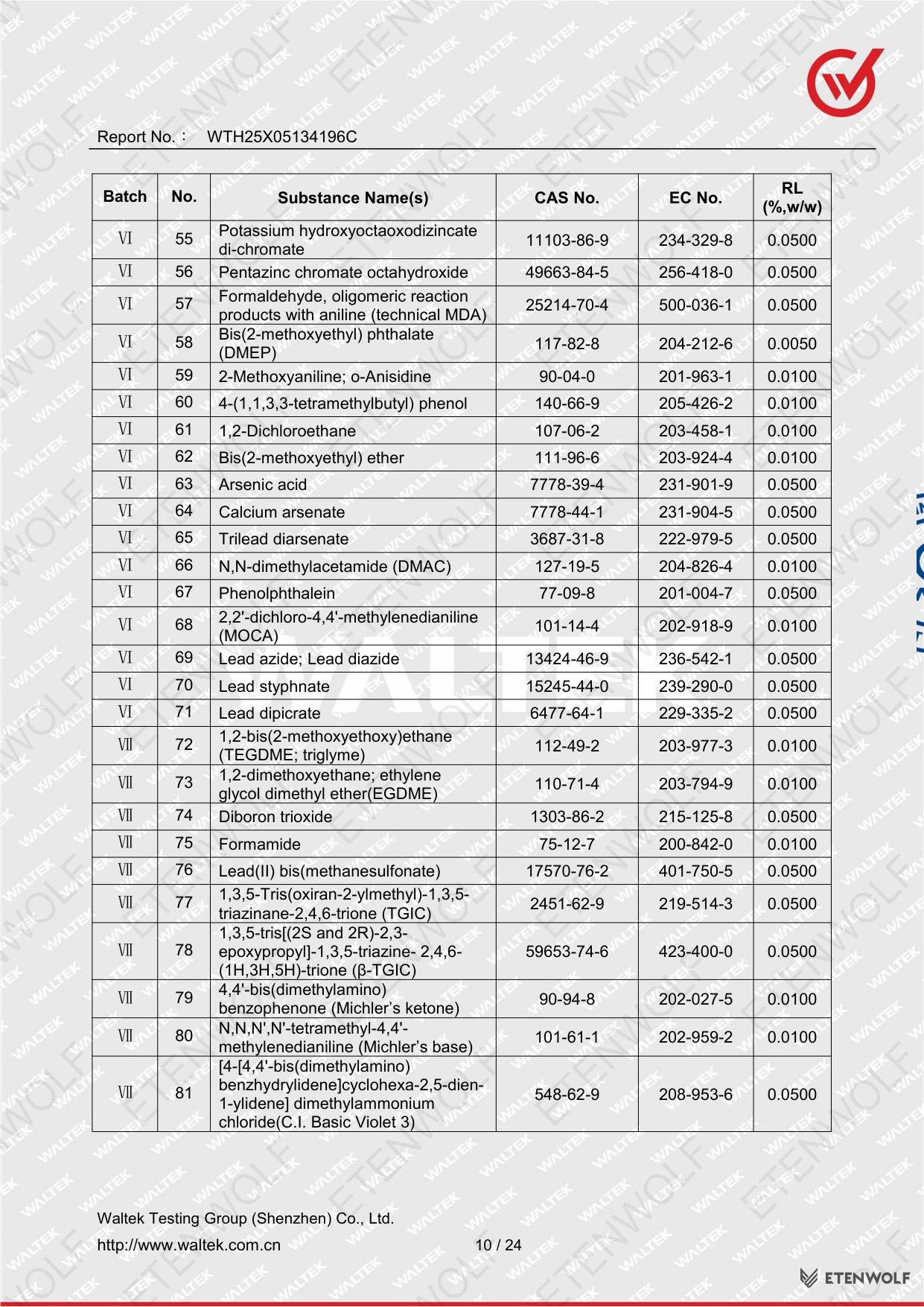
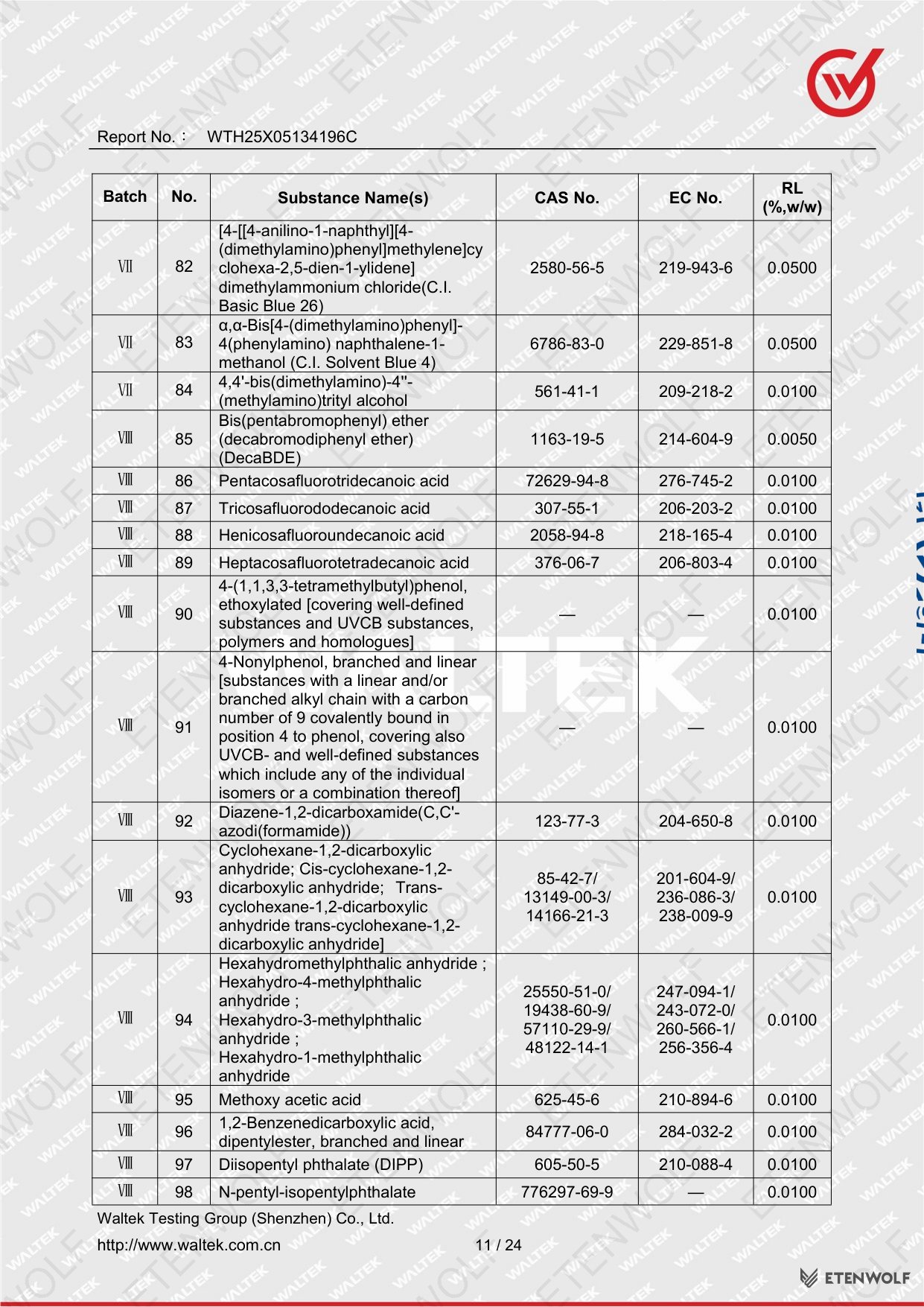
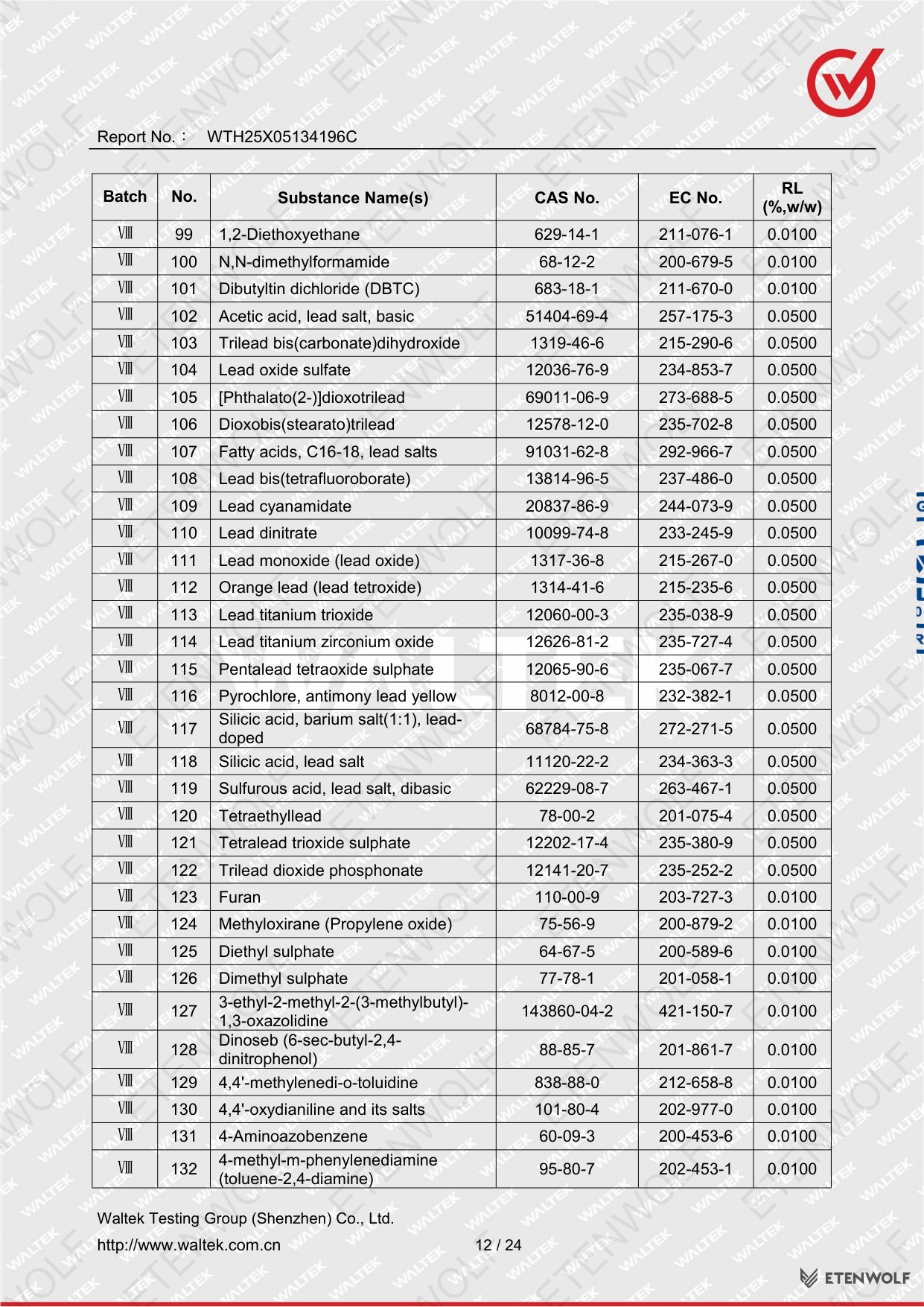
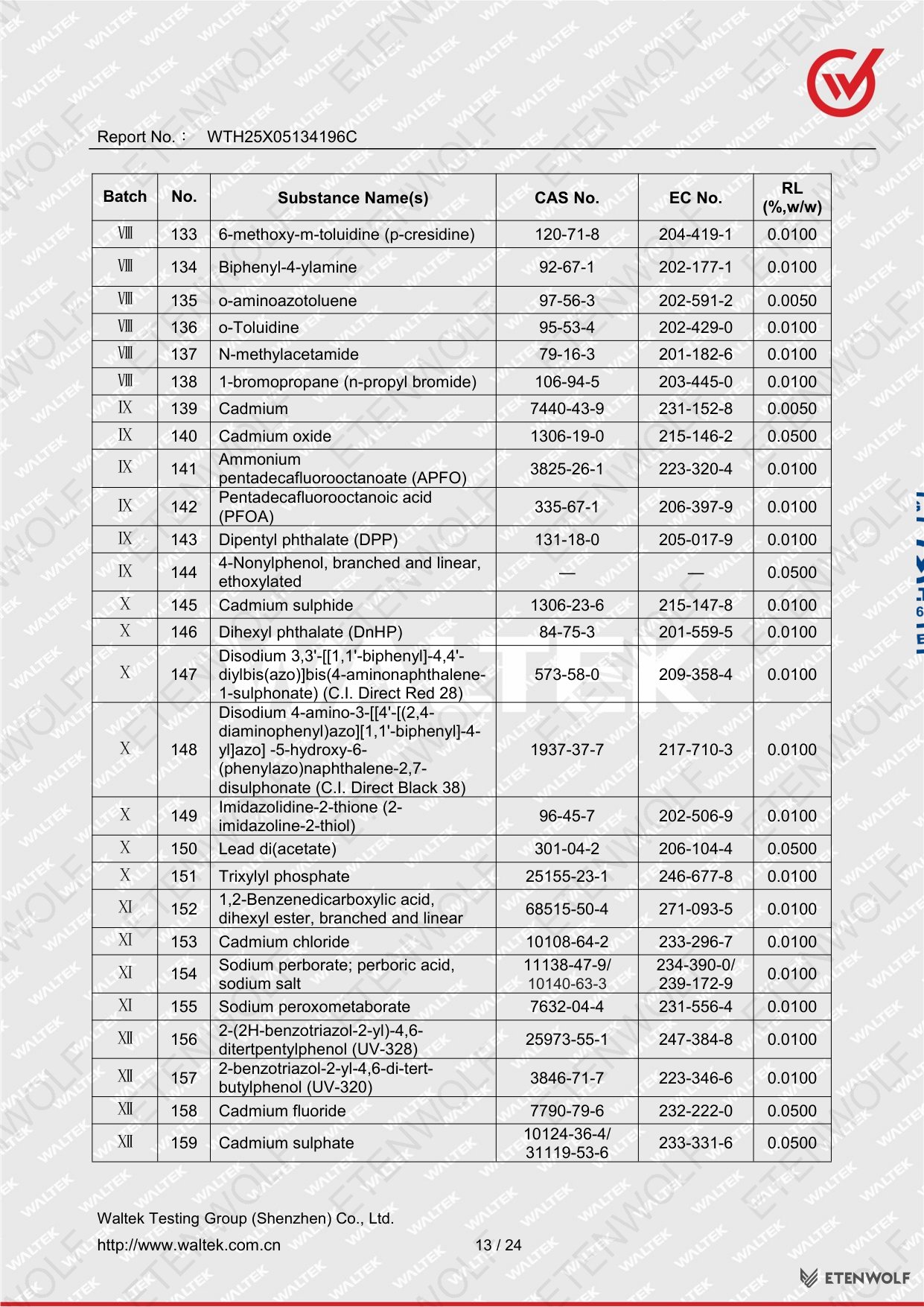
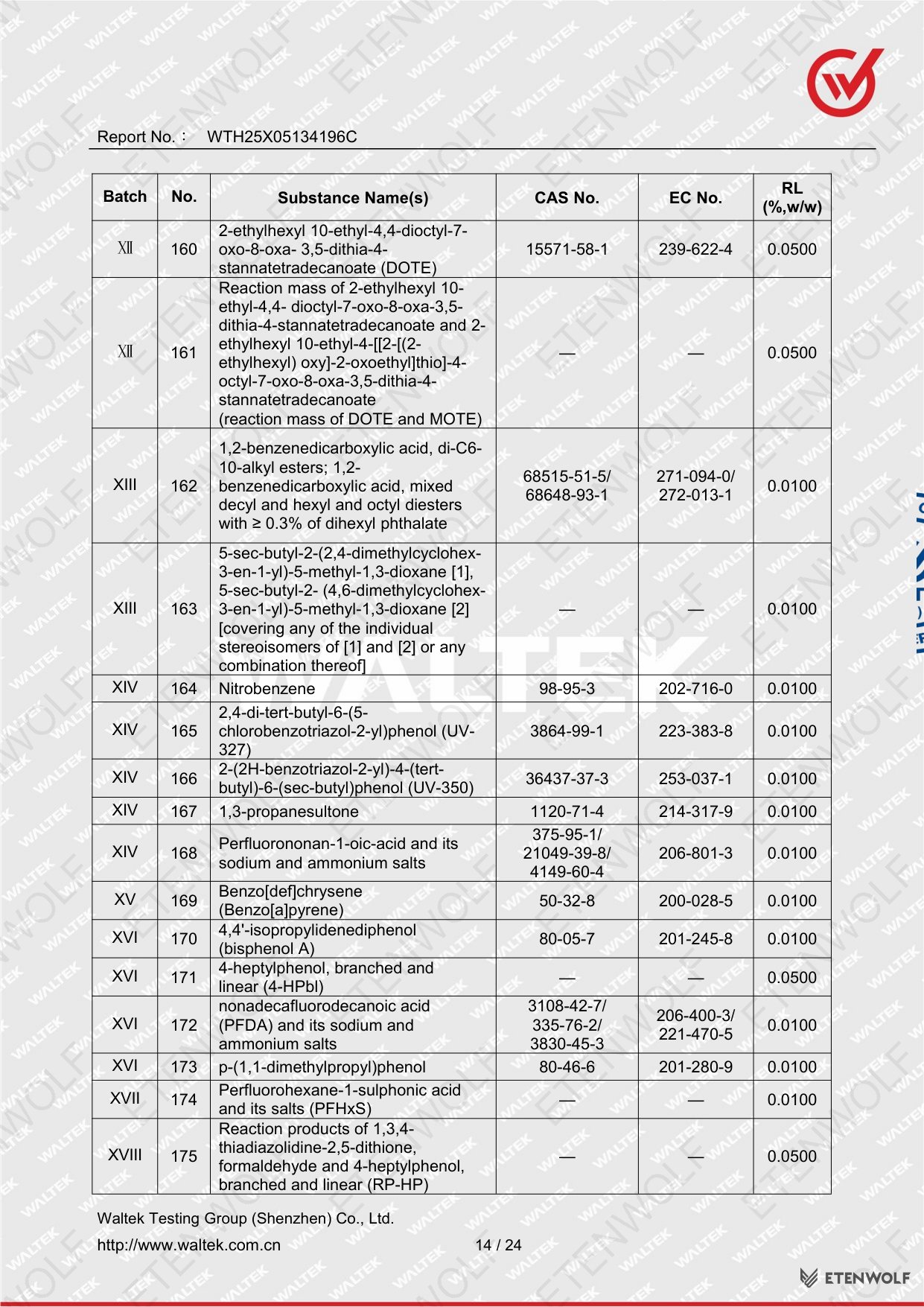
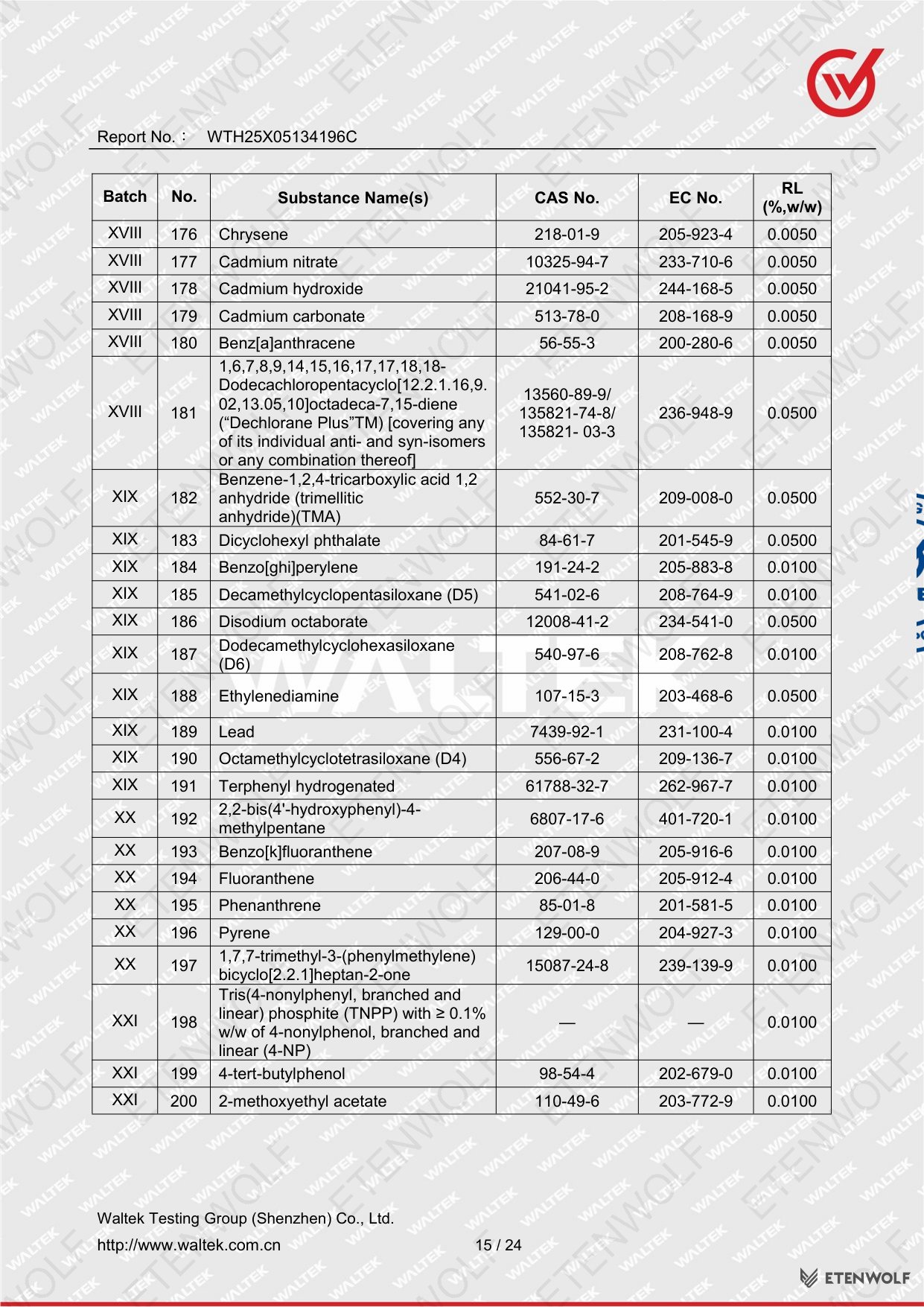
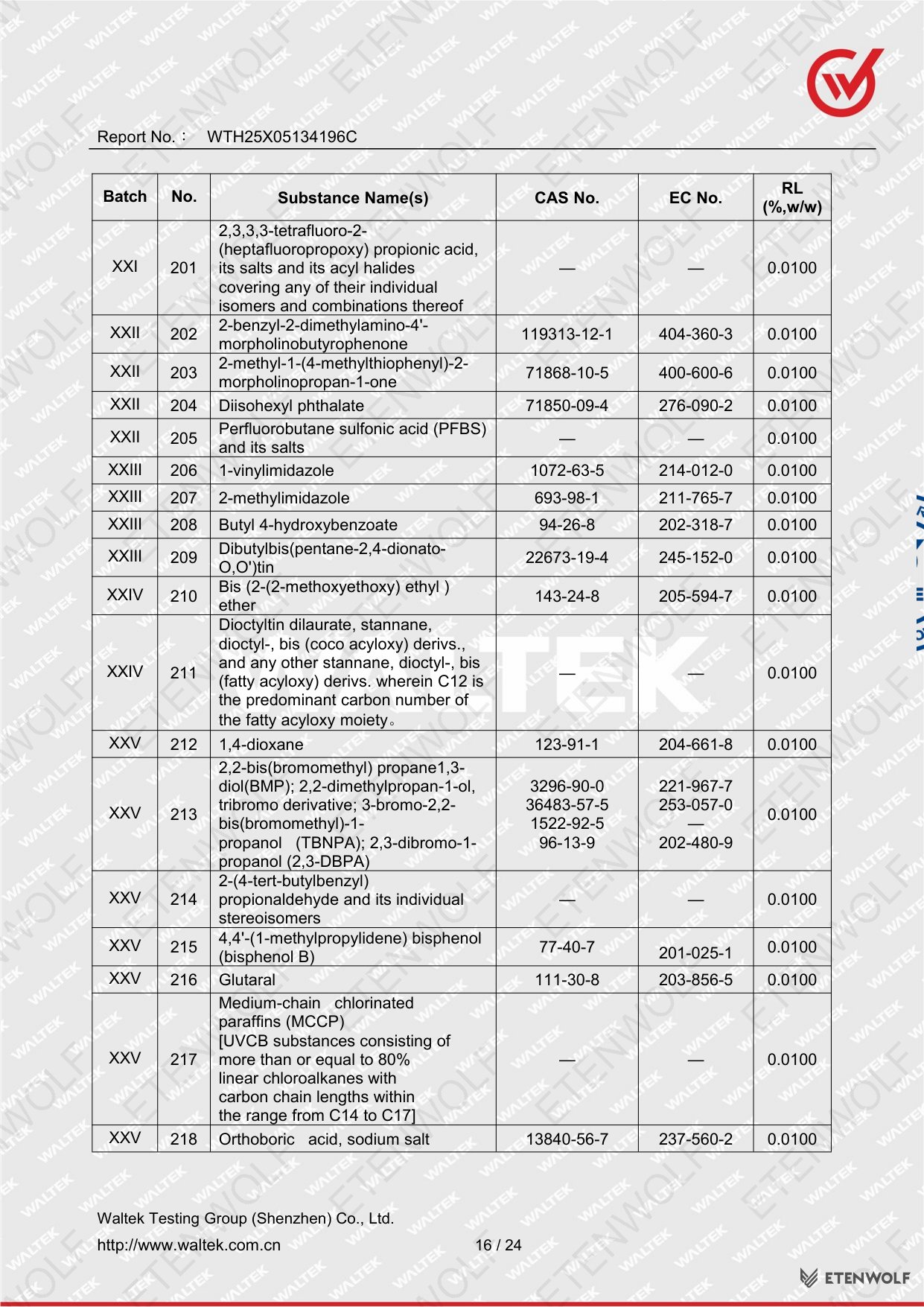
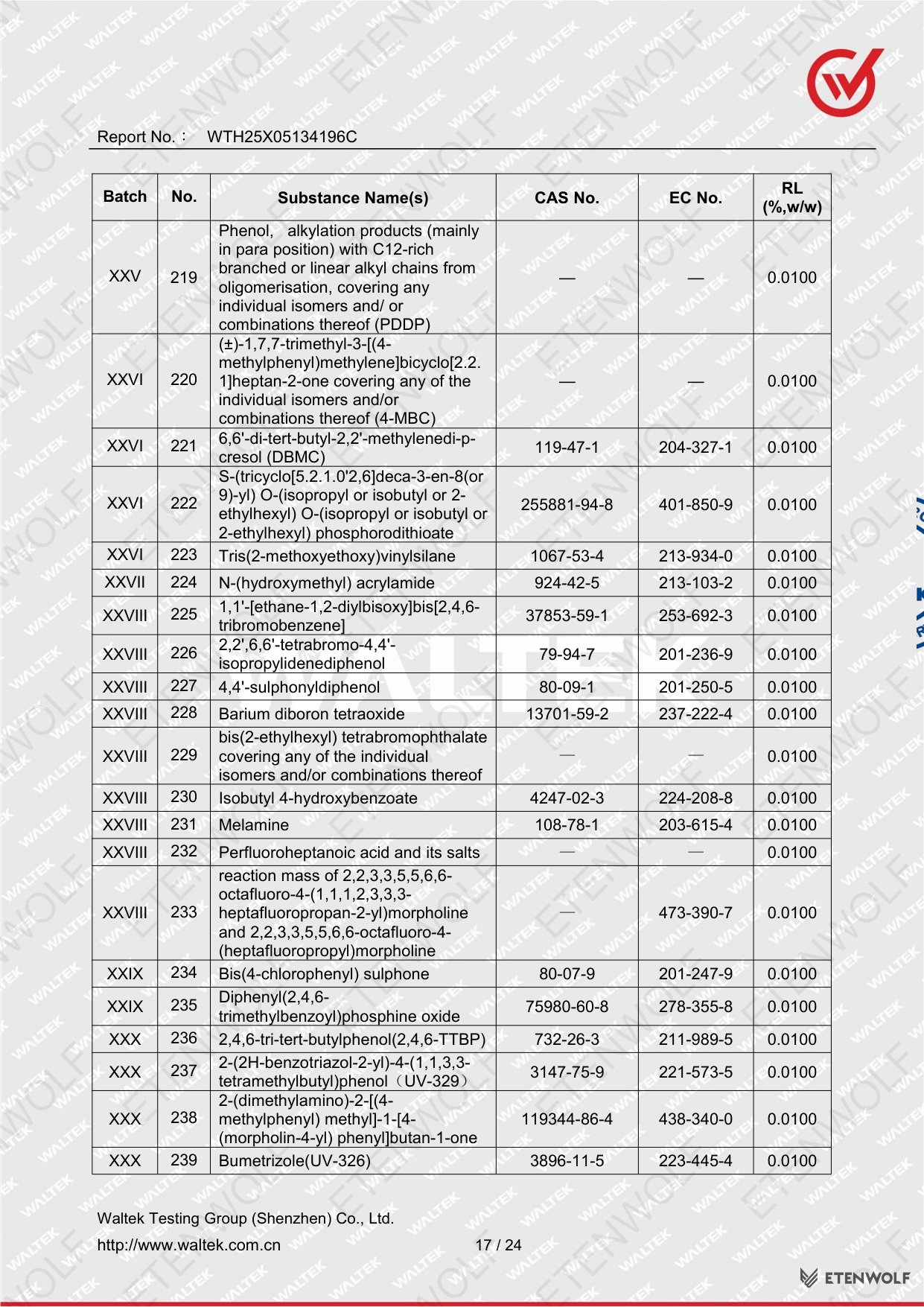
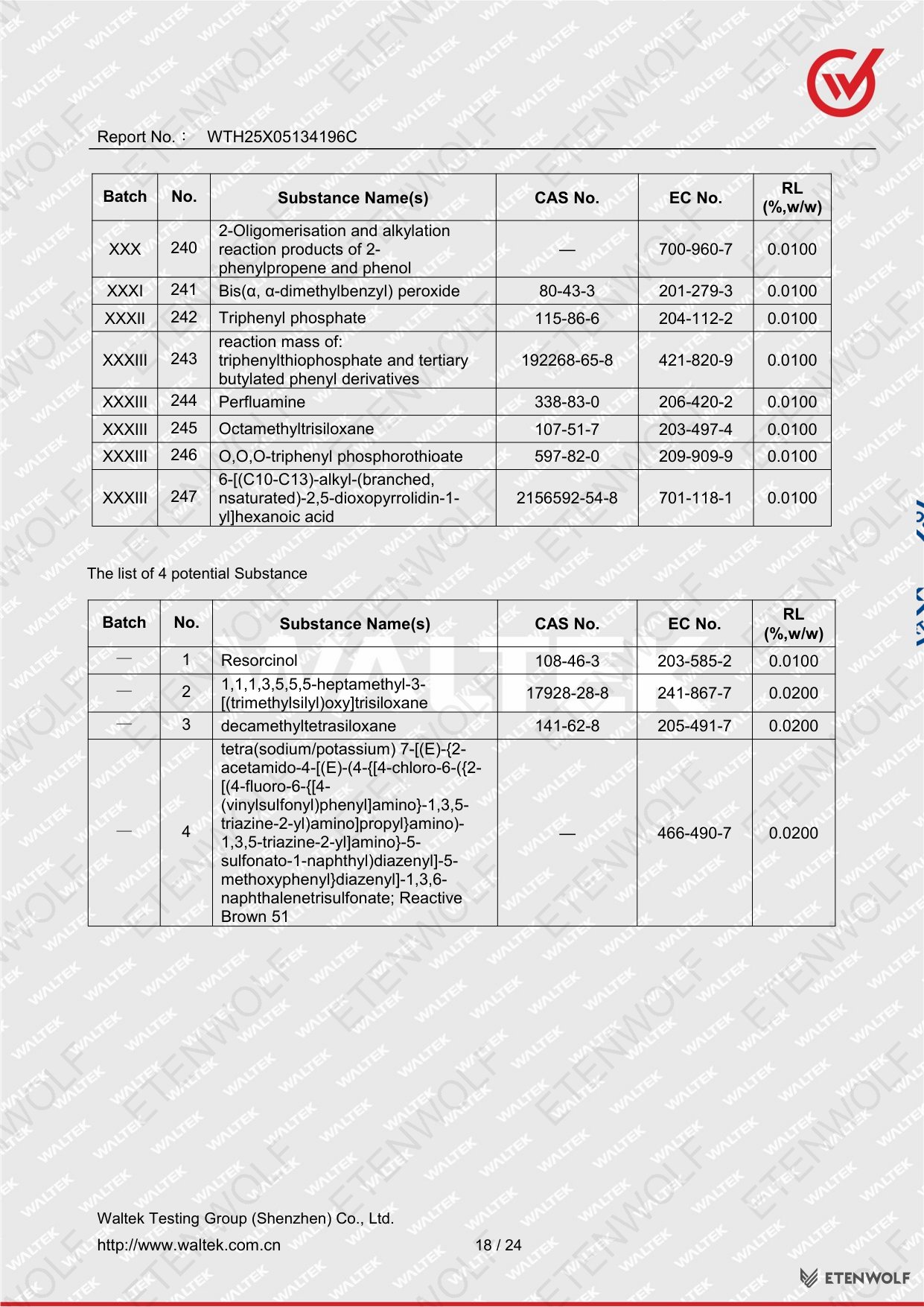
The test was conducted in accordance with European Commission Regulation (EC) No 1907/2006 (REACH) to screen for Substances of Very High Concern (SVHC) as maintained on the ECHA Candidate List. The scope covered 247 SVHC substances plus 4 potential substances listed on ECHA’s website at the time of testing.
- Report Number: WTH25X05134196C
- Date of Issue: 2025-06-16
- Testing Period: 2025-05-27 to 2025-06-04
- Sample Receipt Date: 2025-05-27
- Document Type: REACH SVHC Screening Test Report
- Issuing Laboratory: Waltek Testing Group (Shenzhen) Co., Ltd.
Product Information
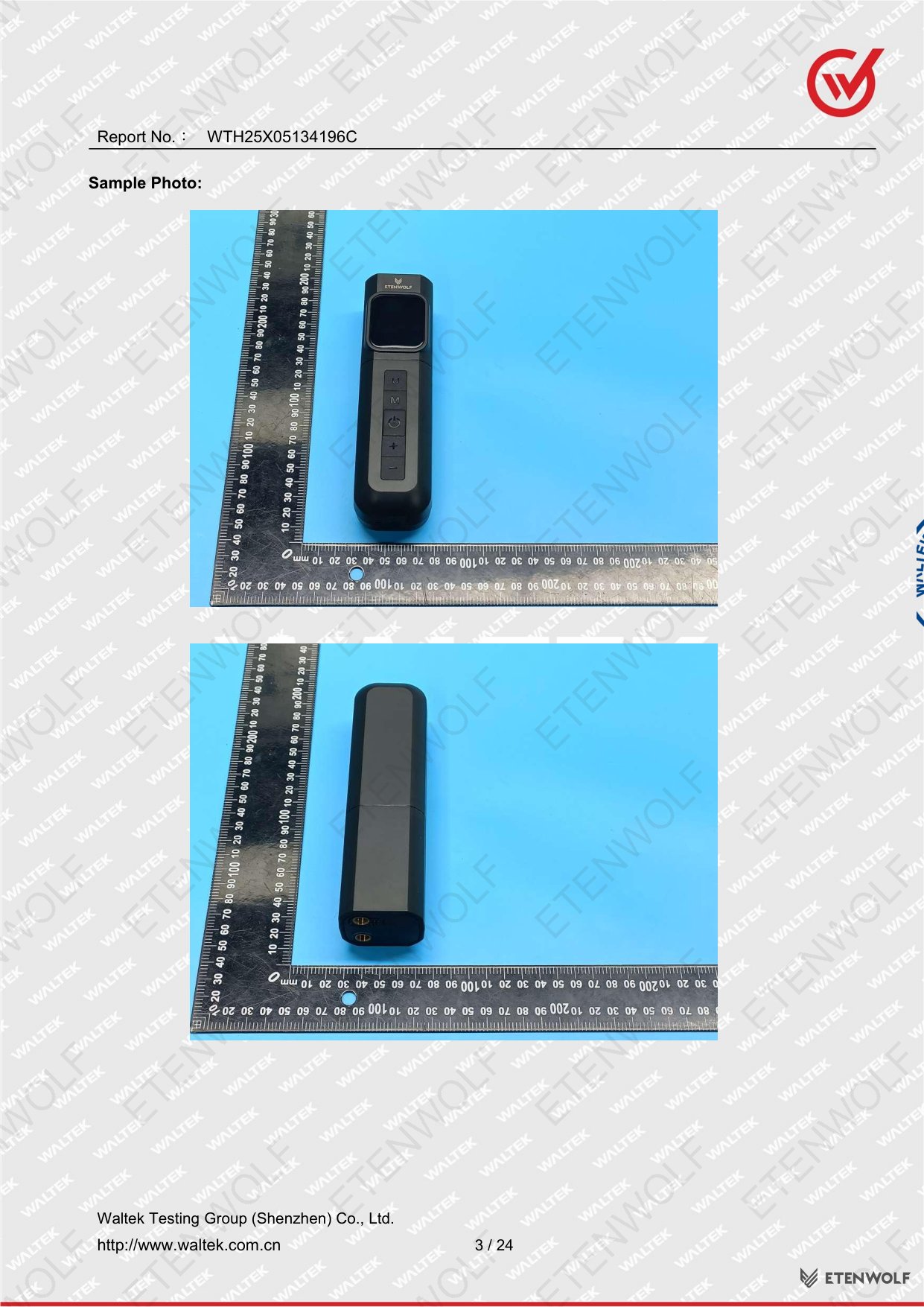
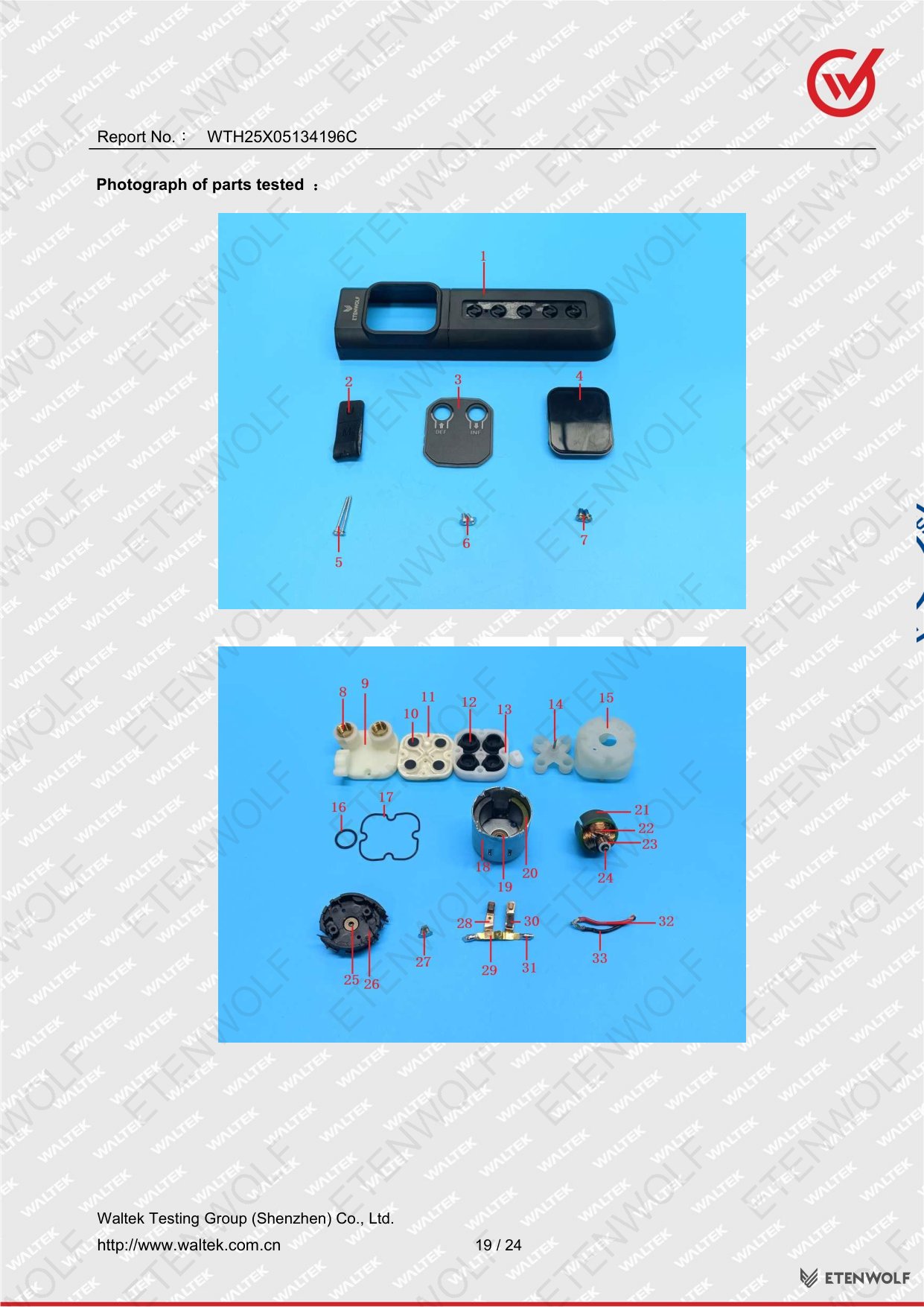
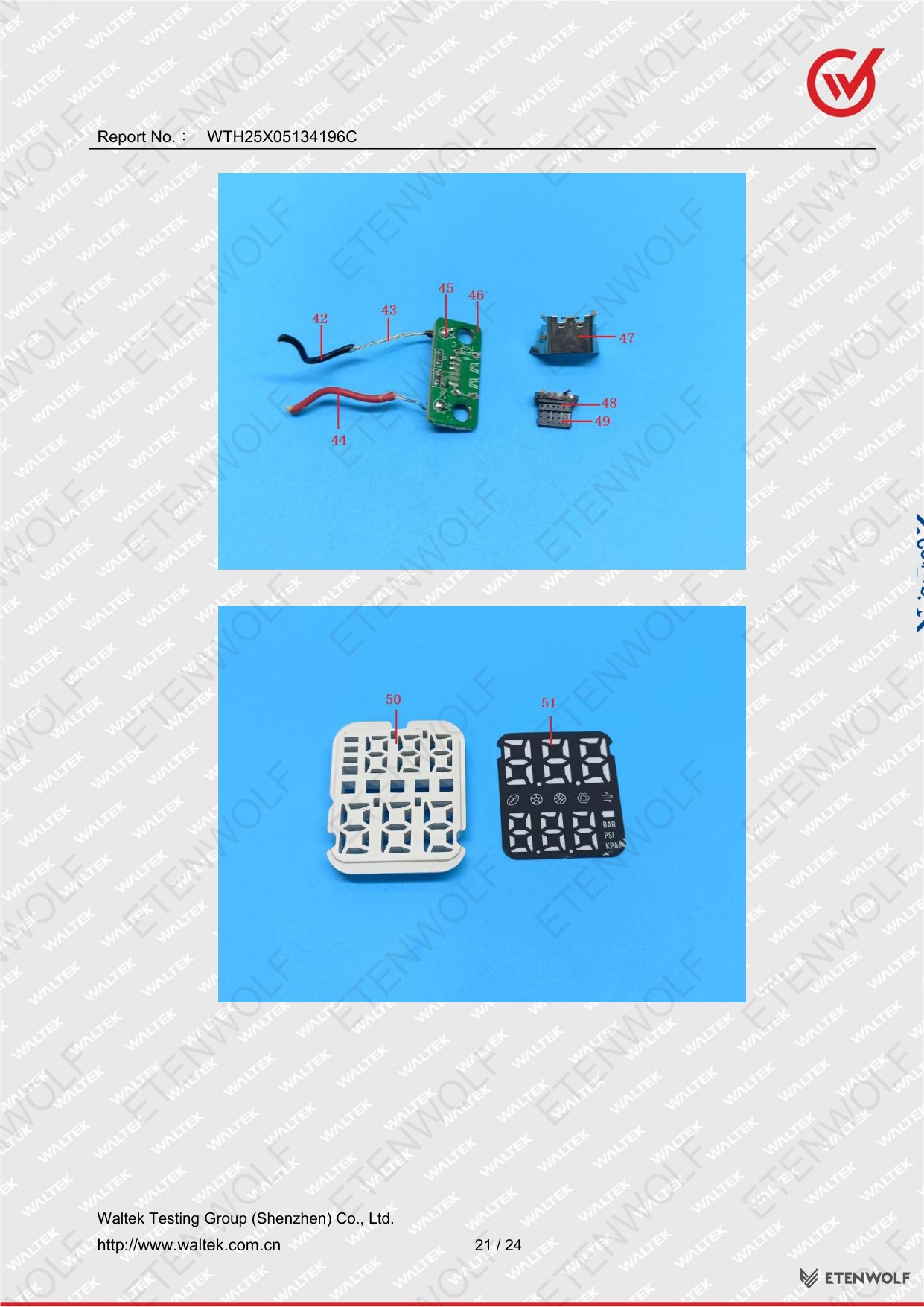
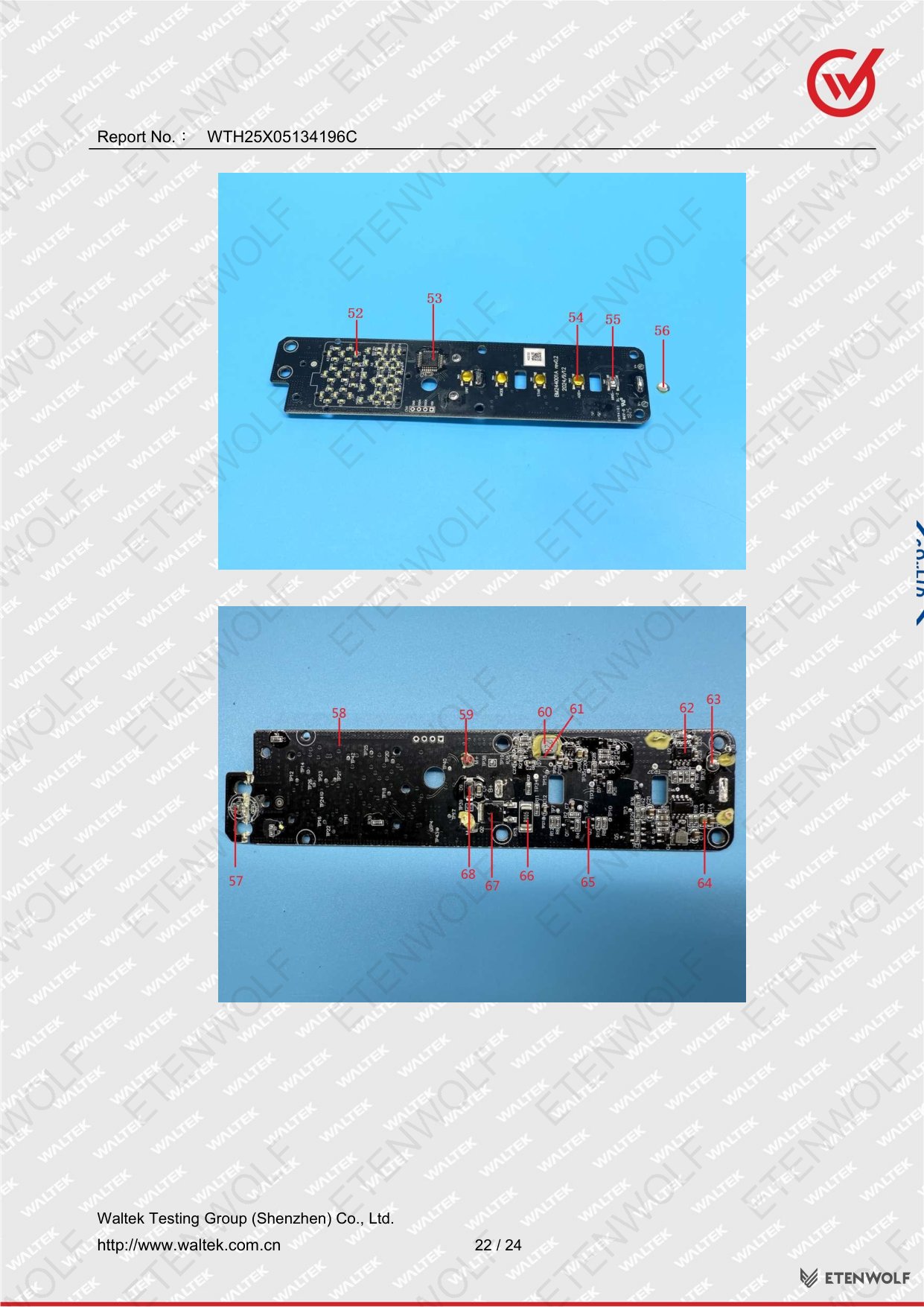
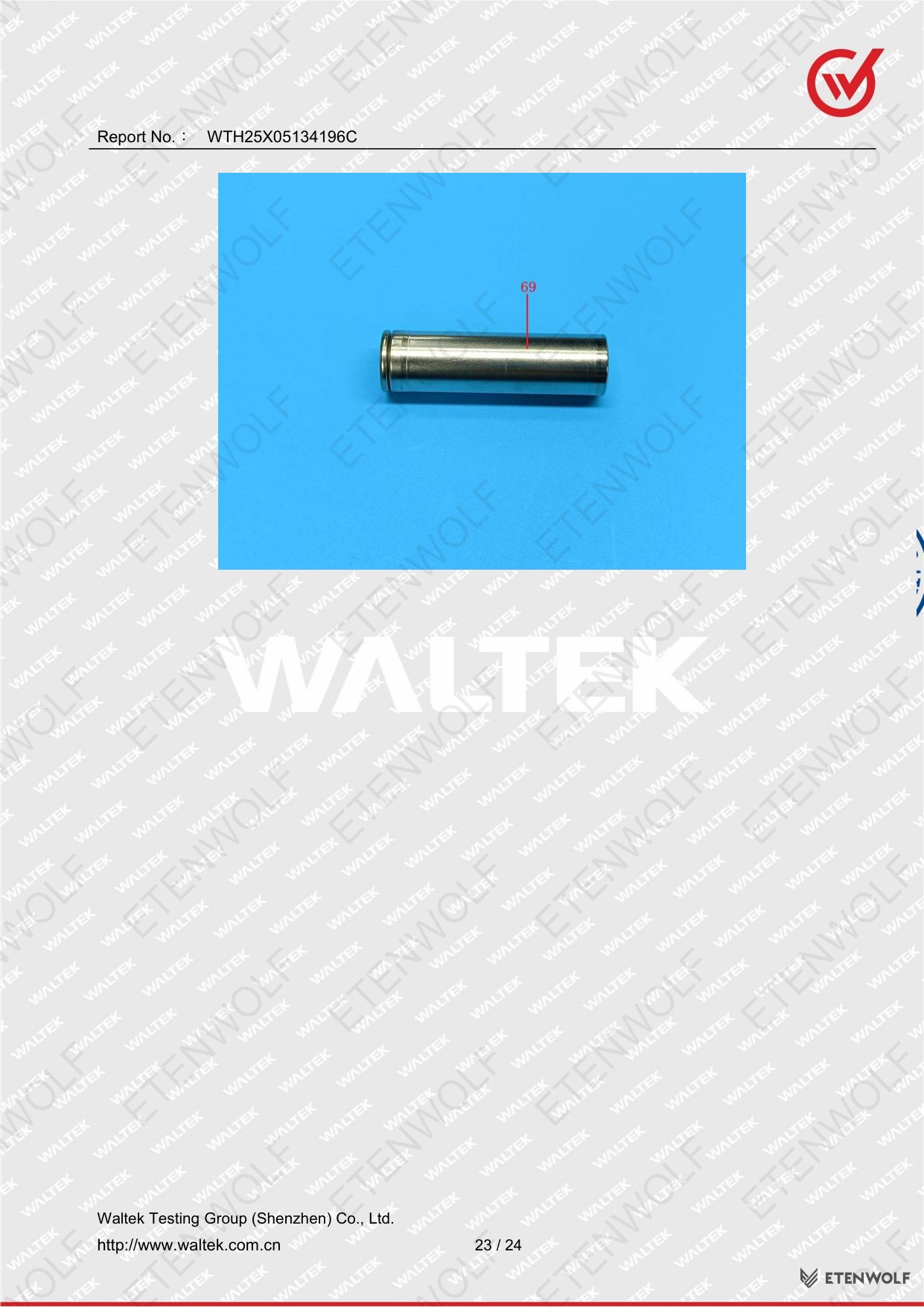
The sample submitted for REACH SVHC testing is the ETENWOLF P200 electric ball pump, designed for rapid and precise inflation of sports balls and similar inflatable equipment.
| Field | Details |
|---|---|
| Sample Name | Ball Pump |
| Model No. | P200 |
| Brand | ETENWOLF |
| Reference Model No. | NA |
| Applicant | Guangdong Bestek Technology Co., LTD |
| Manufacturer | Guangdong Bestek Technology Co., LTD |
| Manufacturer Address | No.1, North Gaopu 8th Road, Yuancheng Industrial Park, Heyuan City, Guangdong, P.R. China |
The P200 is engineered to meet international chemical safety standards, ensuring that all materials used in its construction are free from hazardous substances at concentrations that would trigger REACH reporting obligations.
Key Details
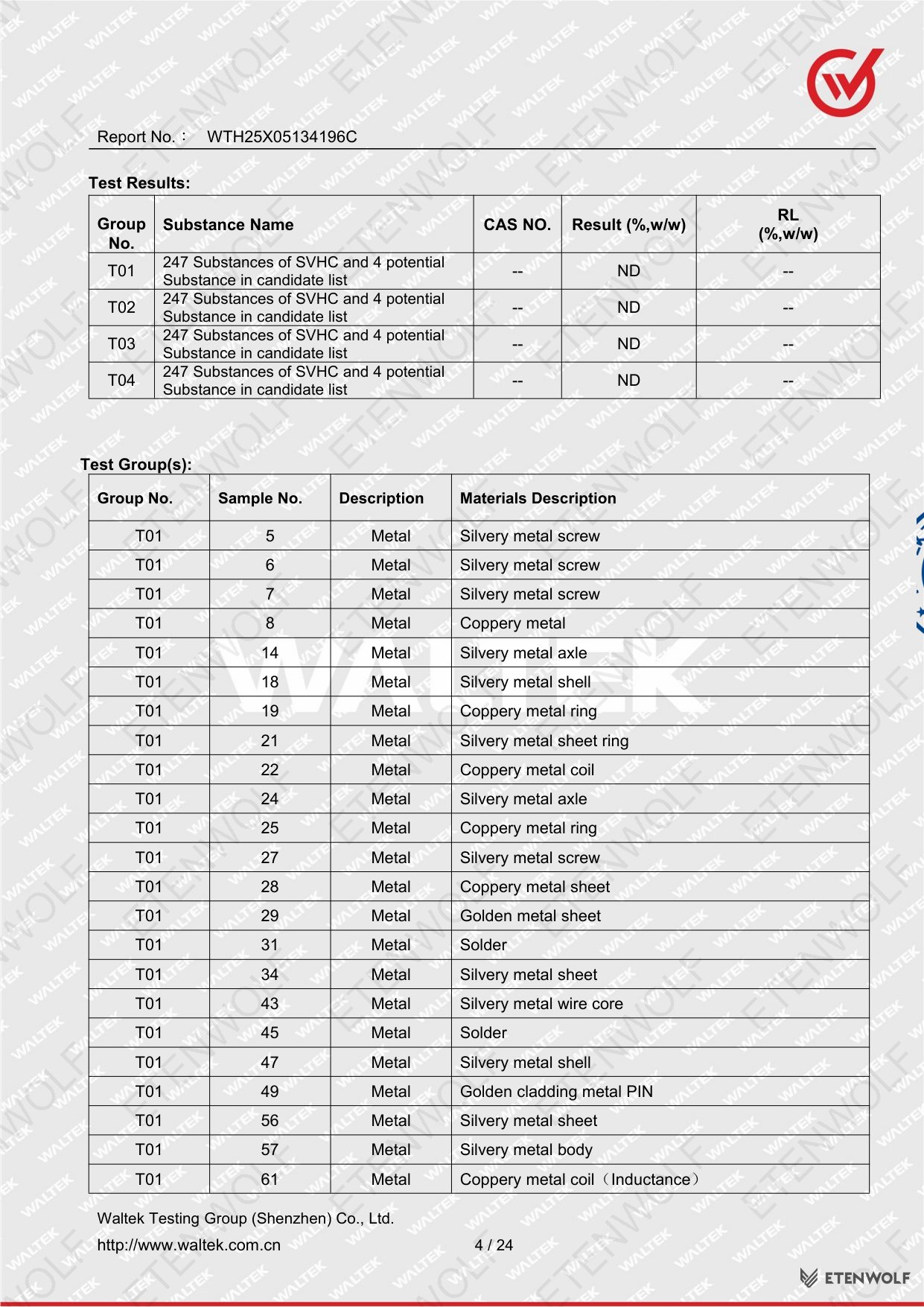
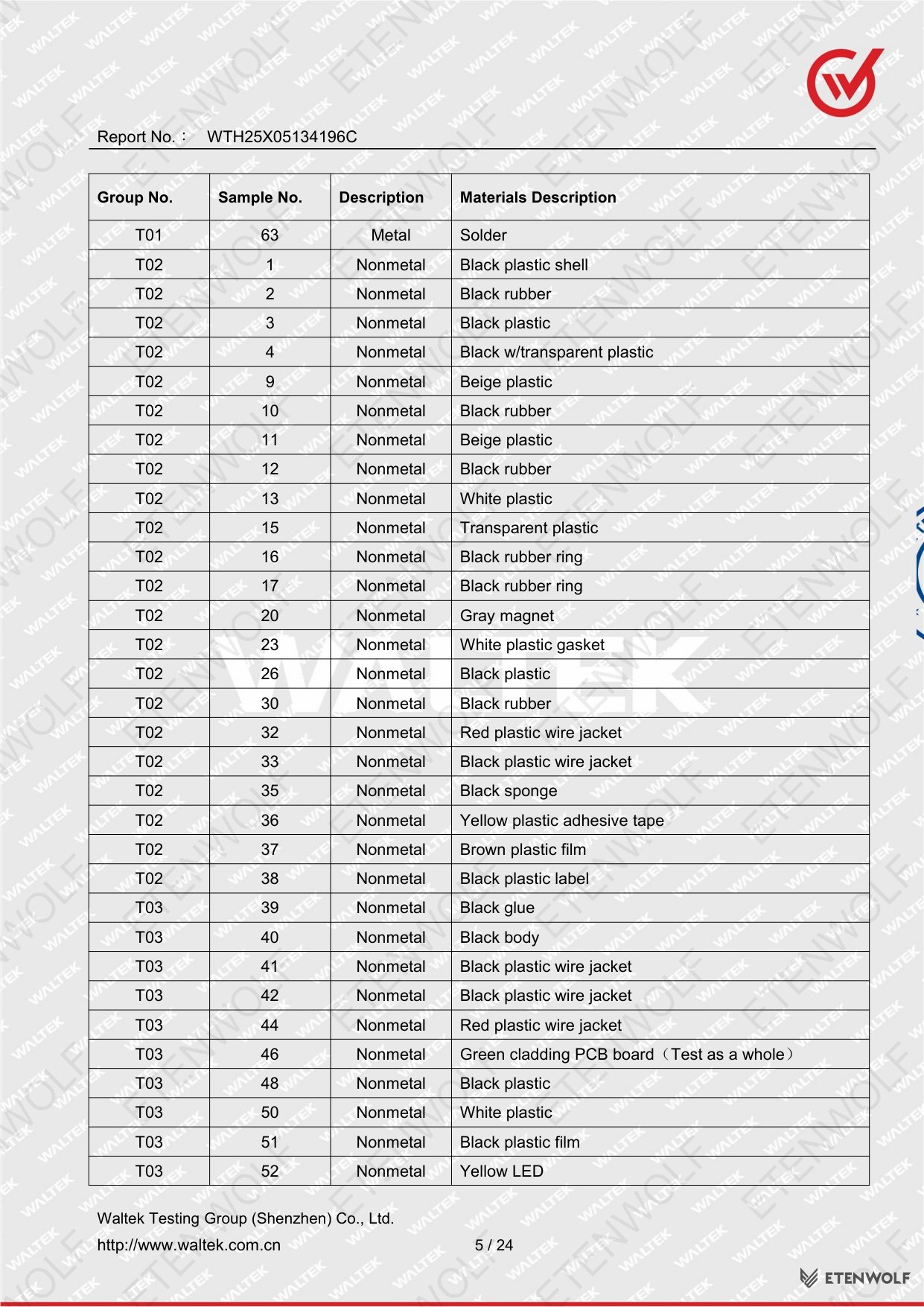
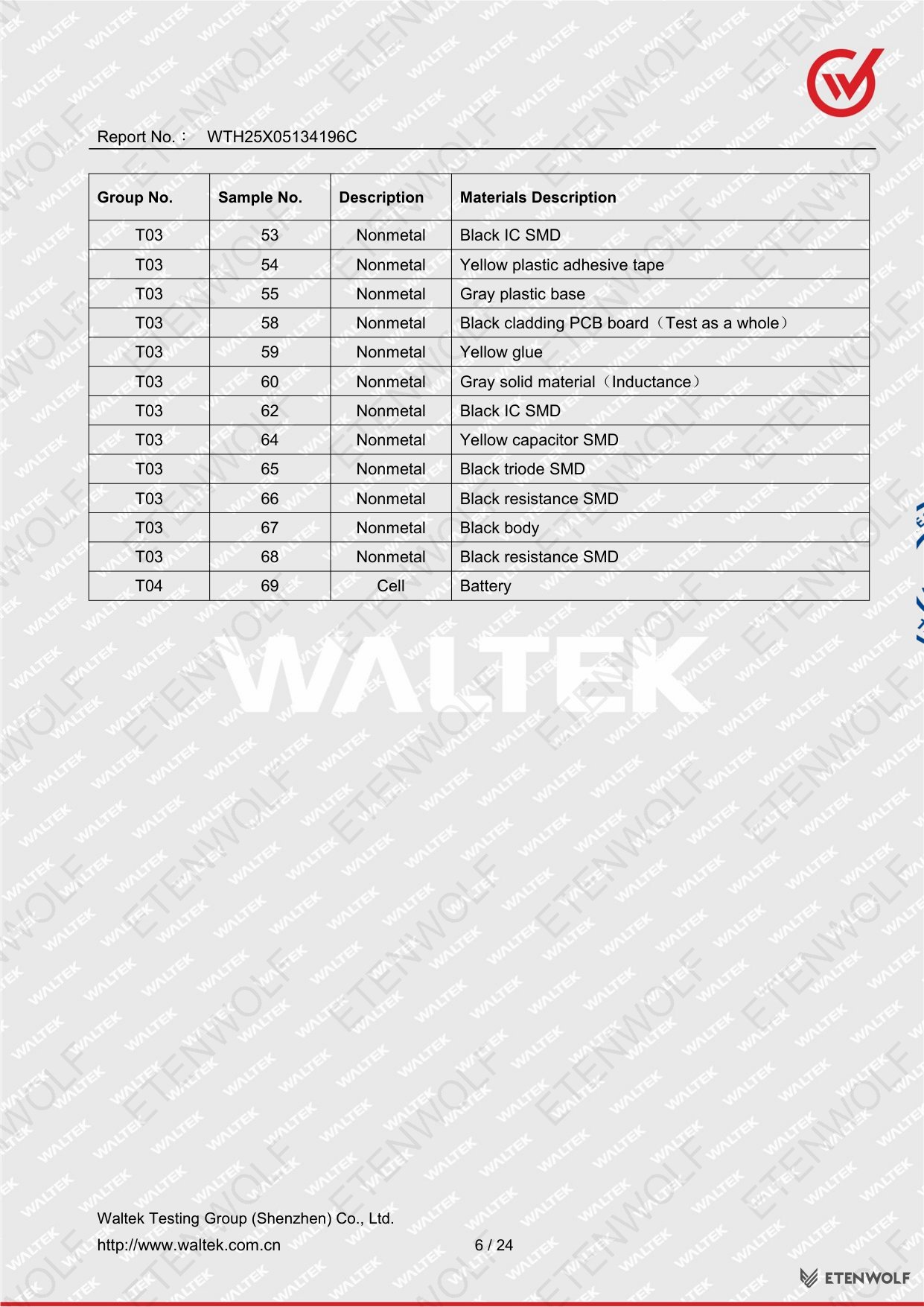
The test screened all submitted sample groups for the full ECHA Candidate List of SVHC substances. Results for all four test groups returned ND (Not Detected), confirming that concentrations of all 247 SVHC and 4 potential substances are below 0.1% (w/w) — the regulatory threshold under REACH Article 59.
| Group No. | Substance Scope | CAS No. | Result (%, w/w) | Reporting Limit (%, w/w) |
|---|---|---|---|---|
| T01 | 247 SVHC + 4 Potential Substances (Candidate List) | — | ND | < 0.1% |
| T02 | 247 SVHC + 4 Potential Substances (Candidate List) | — | ND | < 0.1% |
| T03 | 247 SVHC + 4 Potential Substances (Candidate List) | — | ND | < 0.1% |
| T04 | 247 SVHC + 4 Potential Substances (Candidate List) | — | ND | < 0.1% |
Overall Test Conclusion: According to the specified scope and analytical techniques employed, the concentrations of all 247 SVHC substances and 4 potential substances are less than 0.1% (w/w) in all submitted samples. The P200 fully complies with REACH SVHC requirements.
Standards & Compliance
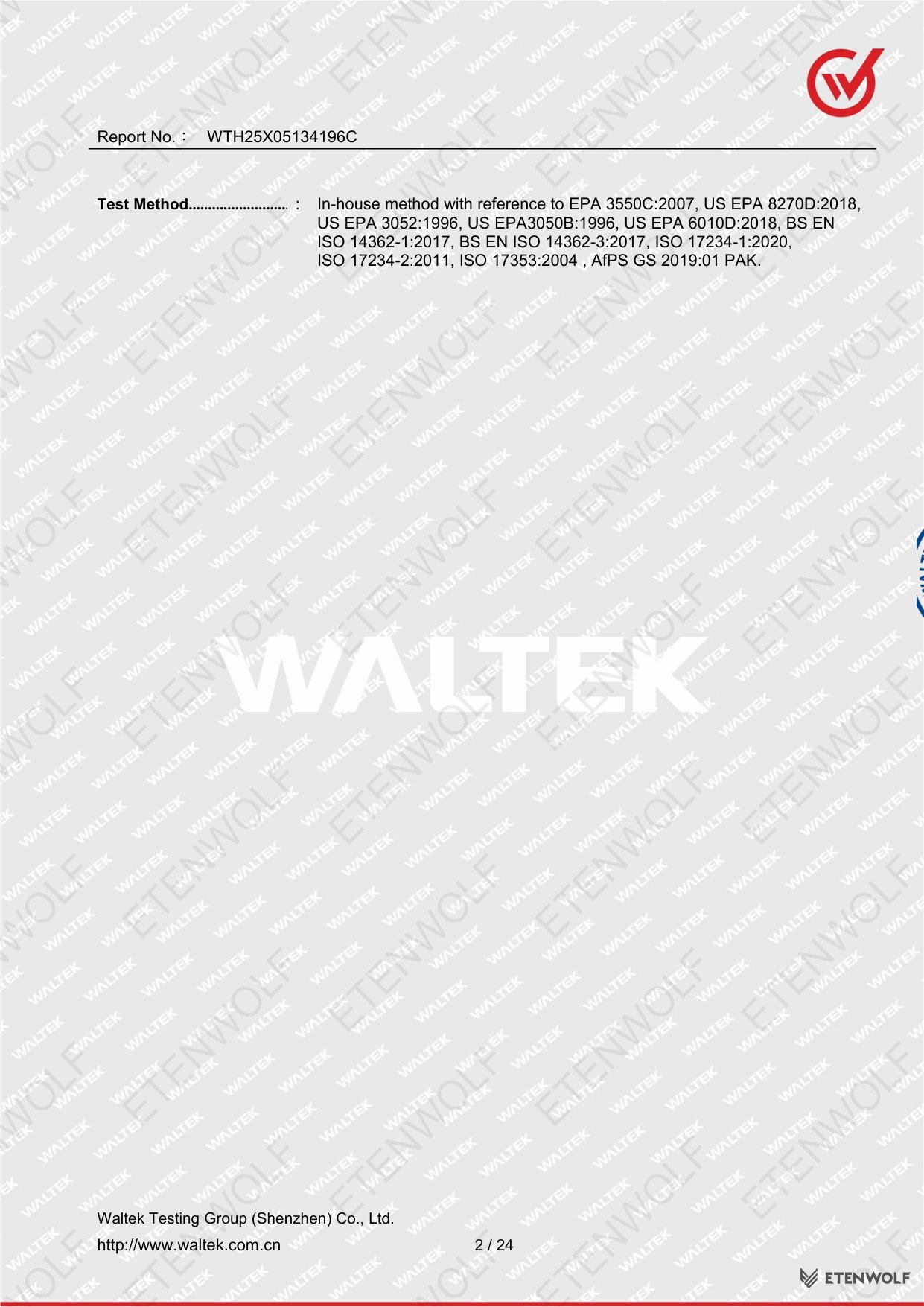
The REACH SVHC screening was performed using a multi-method analytical approach referencing internationally recognised test standards. The following test methods were applied:
- EPA 3550C:2007 — Ultrasonic extraction for semi-volatile organic compounds
- US EPA 8270D:2018 — GC/MS analysis of semi-volatile organic compounds
- US EPA 3052:1996 — Microwave-assisted acid digestion of siliceous and organically based matrices
- US EPA 3050B:1996 — Acid digestion of sediments, sludges, and soils
- US EPA 6010D:2018 — Inductively coupled plasma–atomic emission spectrometry (ICP-AES)
- BS EN ISO 14362-1:2017 — Textiles: determination of certain aromatic amines derived from azo colorants – Part 1
- BS EN ISO 14362-3:2017 — Textiles: determination of certain aromatic amines derived from azo colorants – Part 3
- ISO 17234-1:2020 — Leather: chemical tests for the determination of certain azo colorants – Part 1
- ISO 17234-2:2011 — Leather: chemical tests for the determination of certain azo colorants – Part 2
- ISO 17353:2004 — Water quality: determination of selected organotin compounds by GC
- AfPS GS 2019:01 PAK — Testing for polycyclic aromatic hydrocarbons (PAHs)
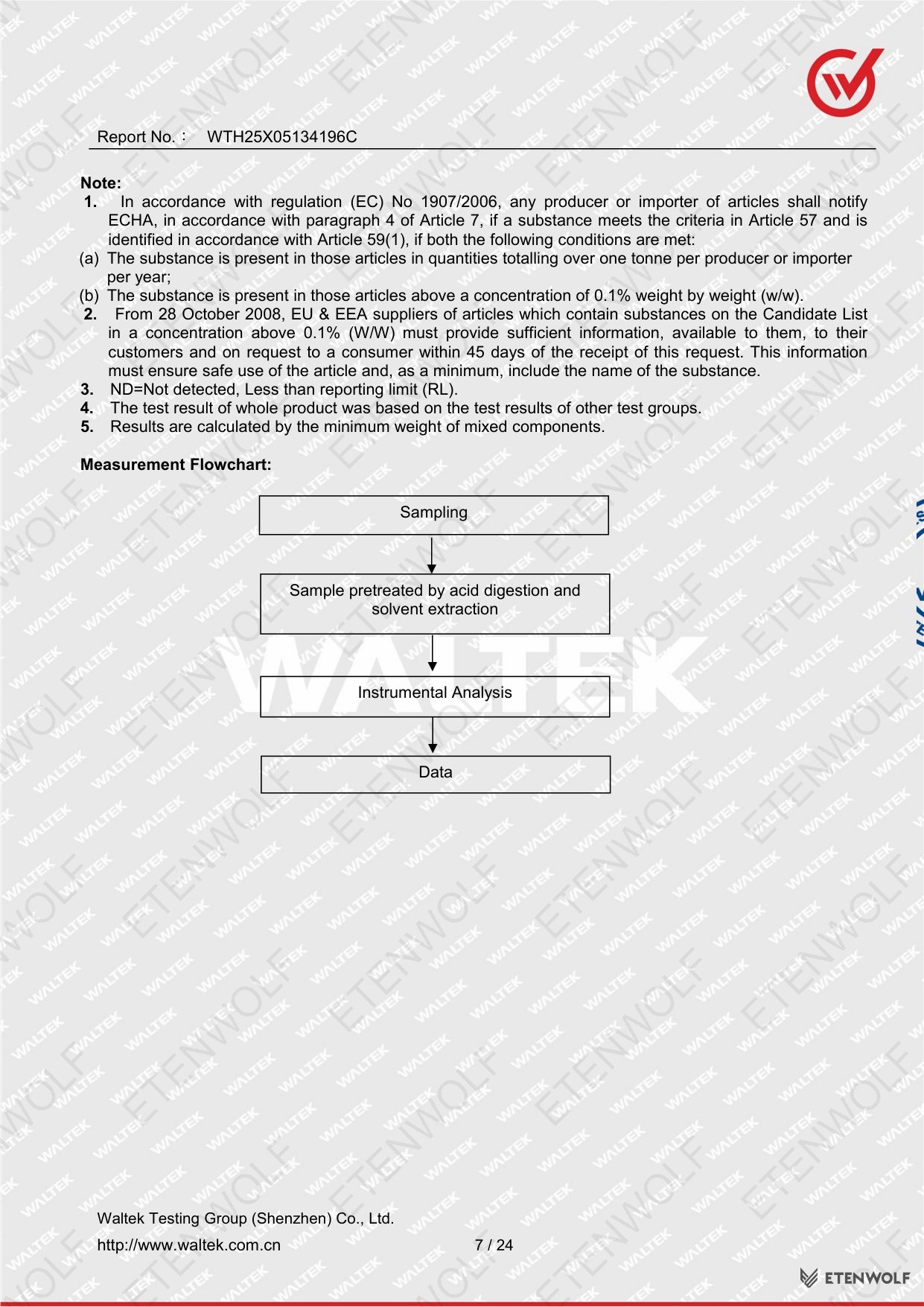
The regulatory framework applied is EC Regulation 1907/2006 (REACH), specifically Article 59 concerning the Candidate List of SVHC, with the SVHC list sourced from the official ECHA Candidate List. The 0.1% (w/w) threshold is the standard reporting limit for articles under REACH.
Validity & Certification Body
This test report was prepared and issued by Waltek Testing Group (Shenzhen) Co., Ltd., a recognised third-party testing and certification laboratory operating in Shenzhen, China.
| Field | Details |
|---|---|
| Report No. | WTH25X05134196C |
| Date of Issue | 2025-06-16 |
| Testing Period | 2025-05-27 to 2025-06-04 |
| Issuing Laboratory | Waltek Testing Group (Shenzhen) Co., Ltd. |
| Laboratory Address | 1/F., Room 101, Building 1, Hongwei Industrial Park, Liuxian 2nd Road, Block 70, Bao’an District, Shenzhen, Guangdong, China |
| Telephone | +86-755-33663308 |
| Fax | +86-755-33663309 |
| [email protected] | |
| Website | http://www.waltek.com.cn |
| Signed By | Hugo Chen |
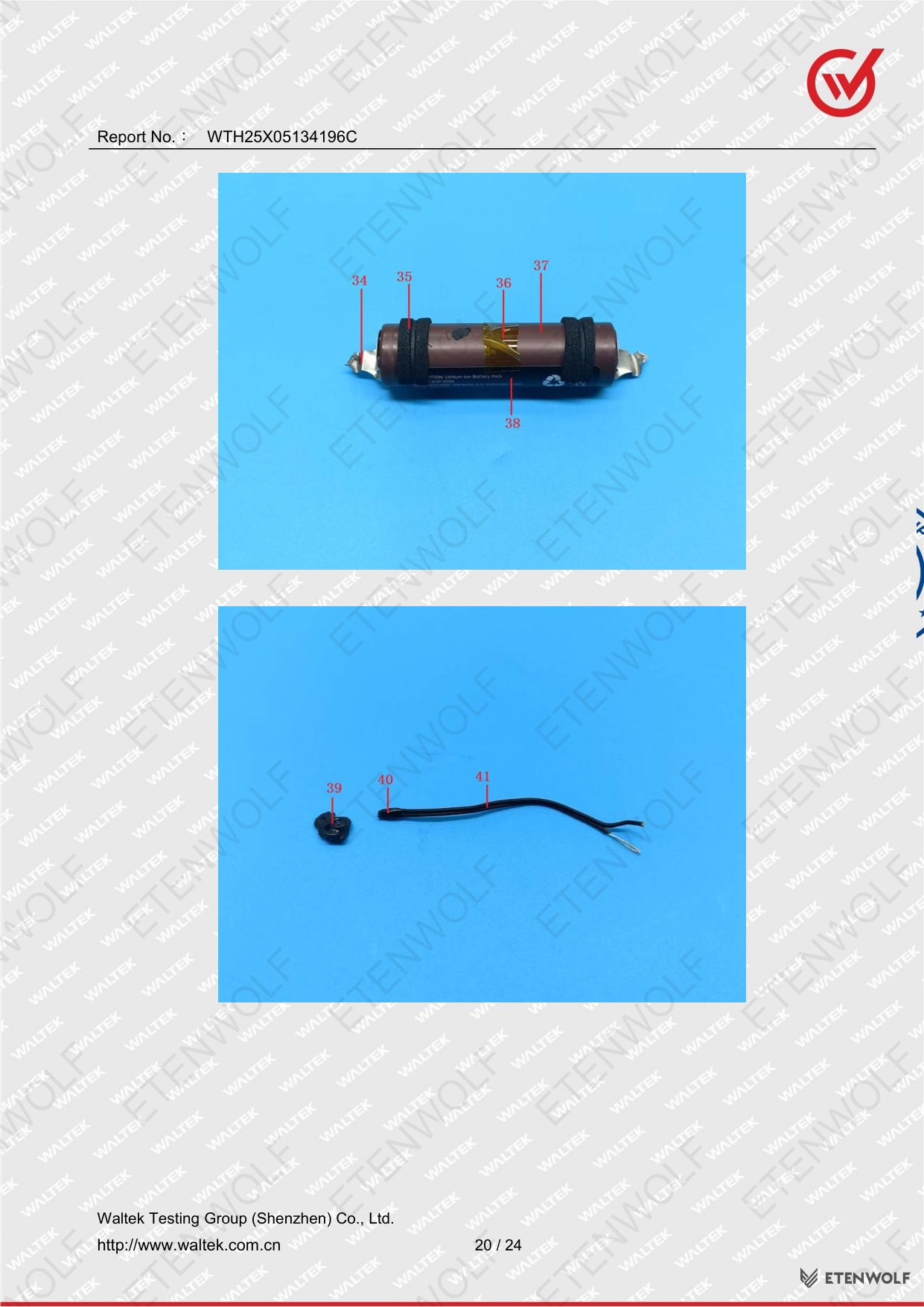
The report covers all material groups of the submitted P200 samples (Groups T01–T04). REACH SVHC compliance should be re-evaluated whenever ECHA updates its Candidate List with newly added substances, or when product formulations change significantly.
Frequently Asked Questions
- What is REACH SVHC and why does it matter for the P200?
-
REACH (Registration, Evaluation, Authorisation and Restriction of Chemicals) is a European Union regulation that controls hazardous chemical substances in products sold in the EU. SVHC (Substances of Very High Concern) are chemicals with serious health or environmental risks. Under REACH Article 59, if any SVHC exceeds 0.1% (w/w) in an article, suppliers must notify buyers and, in some cases, register with ECHA. The P200 was tested and all SVHC concentrations were found to be below this 0.1% threshold, confirming safe compliance.
- How many substances were screened in this test?
-
The test covered 247 SVHC substances plus 4 potential substances from the ECHA Candidate List as it stood at the time of testing (2025). All 251 substances returned a result of ND (Not Detected) across all four sample groups of the P200.
- Which laboratory conducted the REACH testing and is it accredited?
-
Testing was conducted by Waltek Testing Group (Shenzhen) Co., Ltd., located in Bao’an District, Shenzhen, China. Waltek is a recognised third-party testing group operating under internationally referenced analytical methods. The report was signed by Hugo Chen on behalf of the laboratory.
- Does this REACH report expire, and when should it be renewed?
-
While the test report itself (No. WTH25X05134196C, issued 2025-06-16) does not carry a formal expiry date, REACH SVHC compliance should be reviewed whenever ECHA adds new substances to the Candidate List, or when the product’s materials or components change. It is industry best practice to re-test annually or upon each major ECHA list update to ensure continued compliance for the P200.
Related Documents
The following certification and compliance documents are typically required alongside a REACH SVHC report for a product like the P200 electric ball pump sold in global markets:
- RoHS Compliance Report — Confirms restriction of hazardous substances (lead, mercury, cadmium, etc.) under EU Directive 2011/65/EU (RoHS 2), often tested alongside REACH.
- CE Declaration of Conformity — Required for placing electrical products on the EU market; covers Low Voltage Directive (LVD) and EMC Directive.
- FCC Declaration of Conformity — Required for electronic devices sold in the United States market.
- UN 38.3 Battery Transport Test Report — If the P200 incorporates a lithium battery, this report is mandatory for safe air and sea transport under UN Recommendations on the Transport of Dangerous Goods.
- KC Certification — Required for sale in the South Korean market under KC Mark regulations.
- ISO 9001 Quality Management Certificate — Demonstrates the manufacturer’s quality management system conformance.
Document Pages